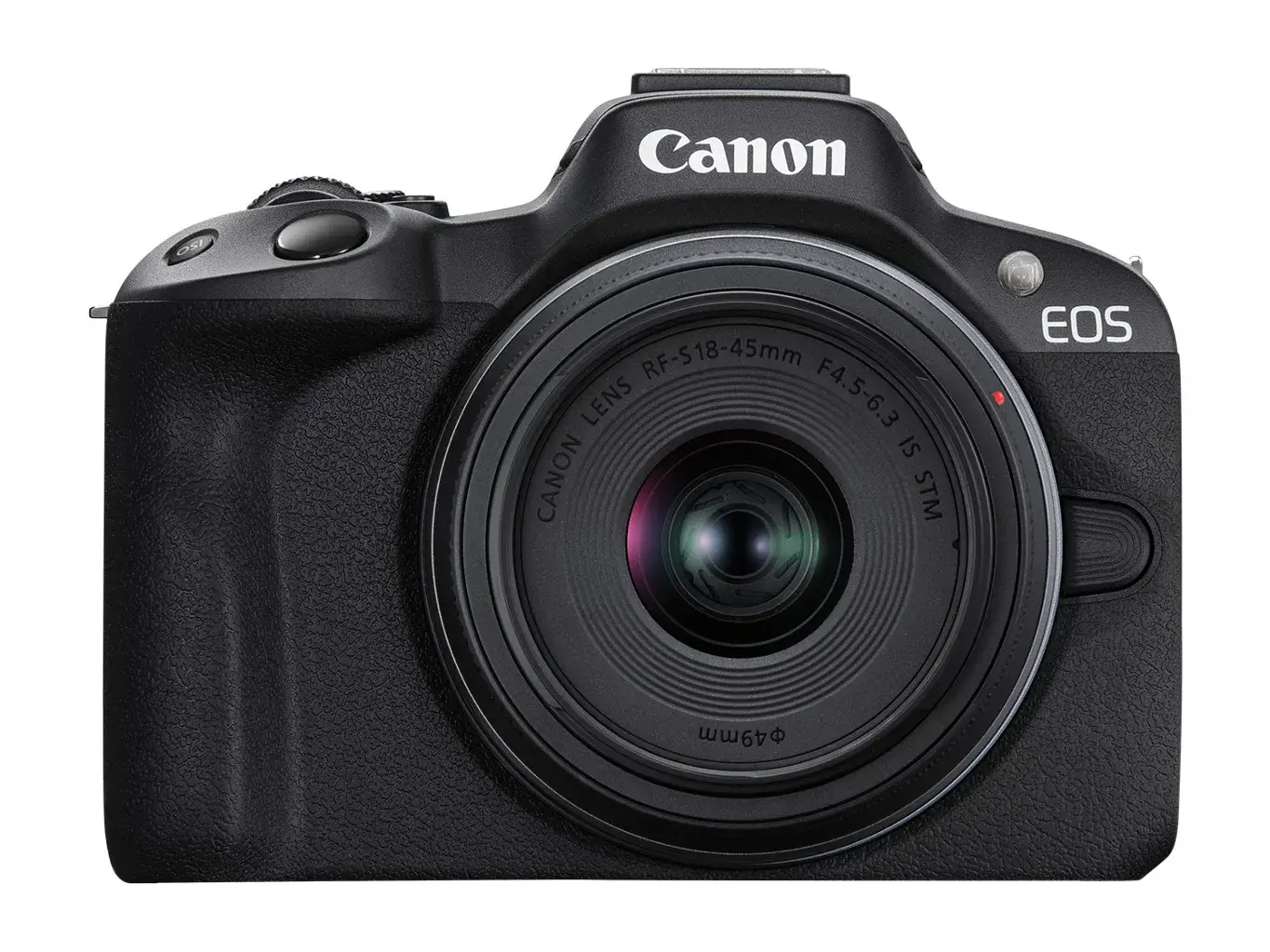
 Hot
Canon EOS R50 + RF-S 18-45mm Kit
24.2MP APS-C CMOS / DIGIC X
₹66,990 – ₹75,990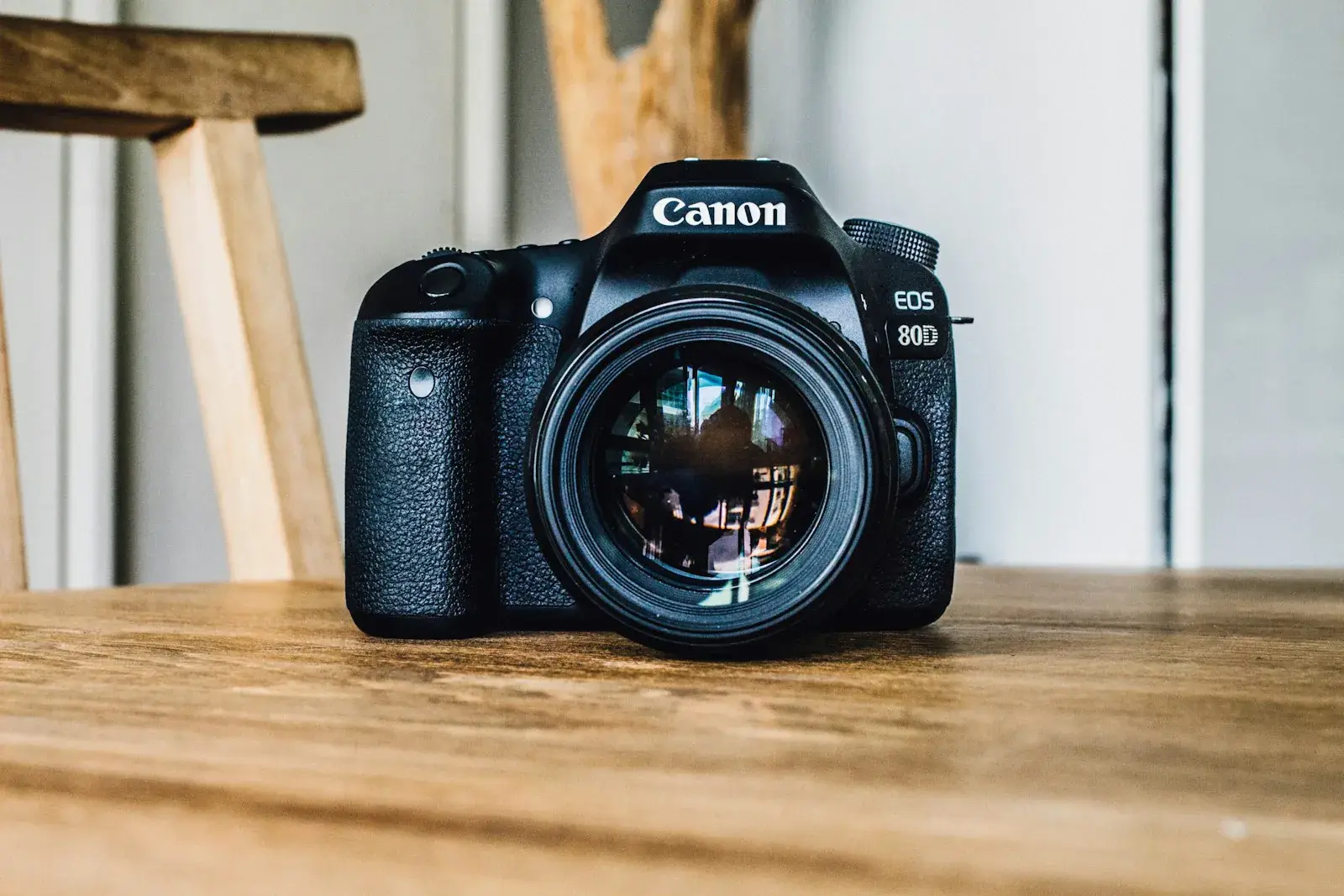
Short answer: in 2026, buy a mirrorless camera. DSLRs still take good photos, but Canon, Nikon and Sony have shifted all new bodies and lenses to mirrorless, and mirrorless cameras are simply better at autofocus and video.
A DSLR bounces light up through a mirror and prism into an optical viewfinder. A mirrorless camera has no mirror: the sensor feeds an electronic viewfinder or screen directly. That one change makes the camera smaller and gives it a few big advantages.
| Mirrorless | DSLR | |
|---|---|---|
| Autofocus | Eye/face/animal detection across the frame | Good centre AF, weaker tracking |
| Viewfinder | Shows exposure and colour before you shoot | Optical, shows the scene not the result |
| Video | Excellent: 4K, face tracking | Usually weaker AF in video |
| Size | Smaller and lighter | Bulkier |
| New lenses | Yes, every year | Practically none |
| Battery life | Good (carry a spare) | Very good |
Mirrorless cameras focus using the image sensor itself, so they can recognise and track eyes, faces, animals and vehicles anywhere in the frame. For kids, pets, weddings and sports, that means far more sharp photos. Even the entry-level Canon EOS R100 tracks eyes better than most older DSLRs.
The electronic viewfinder shows the photo as it will be: brightness, white balance and depth of field. Beginners learn faster because they see the effect of each setting immediately.
Otherwise, a new mirrorless body is the better long-term buy: lenses, firmware and resale value all favour it.
Moving from a Canon or Nikon DSLR? The official Canon EF-EOS R and Nikon FTZ II adapters let your existing lenses autofocus on mirrorless bodies like the EOS R50 or Nikon Z50 II. Bring your lenses to the store and we’ll test them on a new body before you decide.
See our best camera for beginners guide, and our APS-C vs full-frame guide if you’re deciding on sensor size.
For almost everyone, yes. Mirrorless cameras are smaller, focus more accurately (especially on eyes), record better video, and are where all new lenses and features are going.
Yes. Canon's EF-EOS R adapter and Nikon's FTZ II adapter let EF and F-mount lenses autofocus on RF and Z cameras with no loss of image quality.
Usually somewhat less than a DSLR because the electronic viewfinder draws power. Carry one spare battery and you'll be fine; most current bodies also charge over USB-C.
Hot 24.2MP APS-C CMOS / DIGIC X
₹66,990 – ₹75,990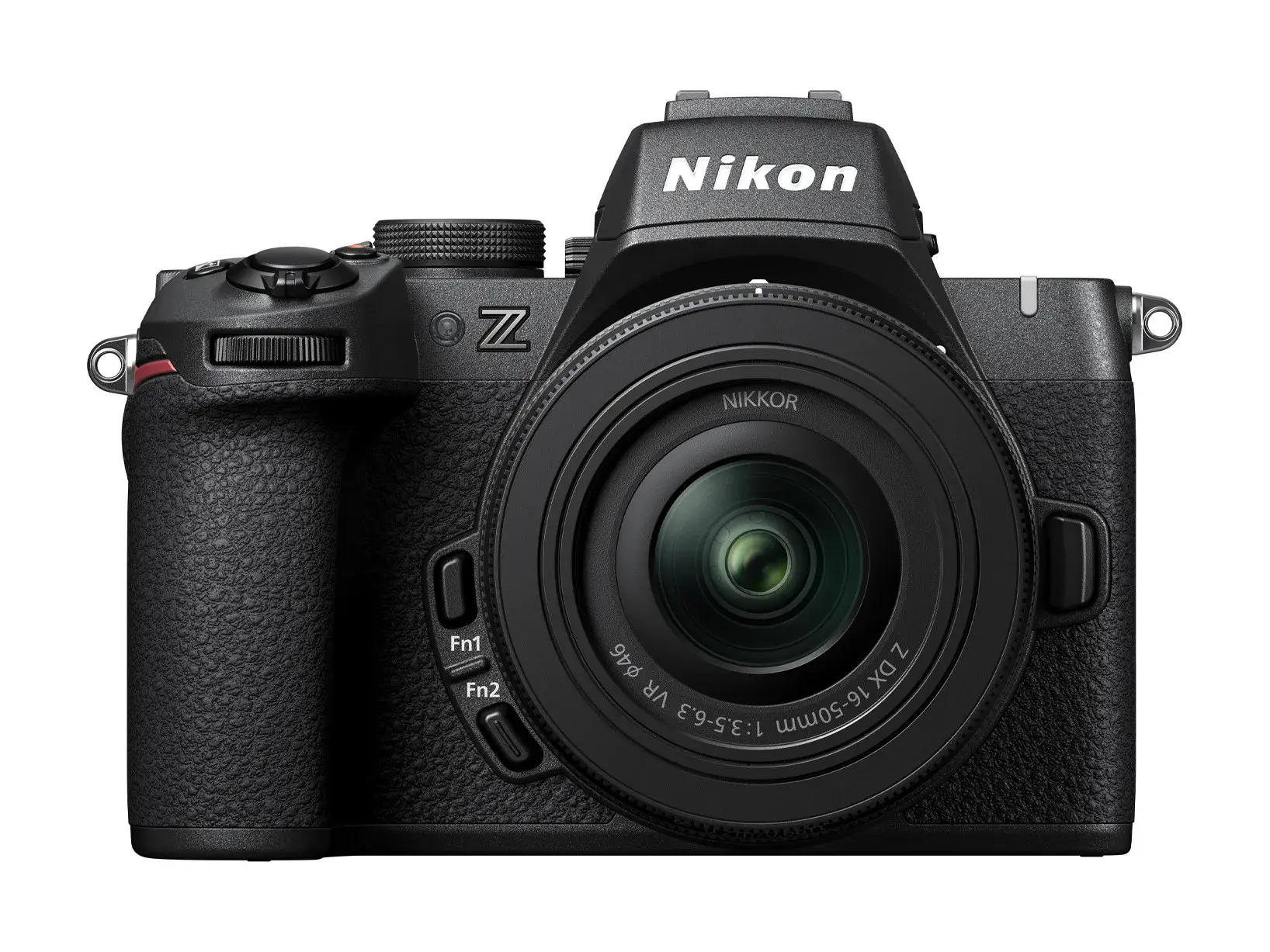 New
20.9MP APS-C CMOS / EXPEED 7
₹77,995 – ₹91,645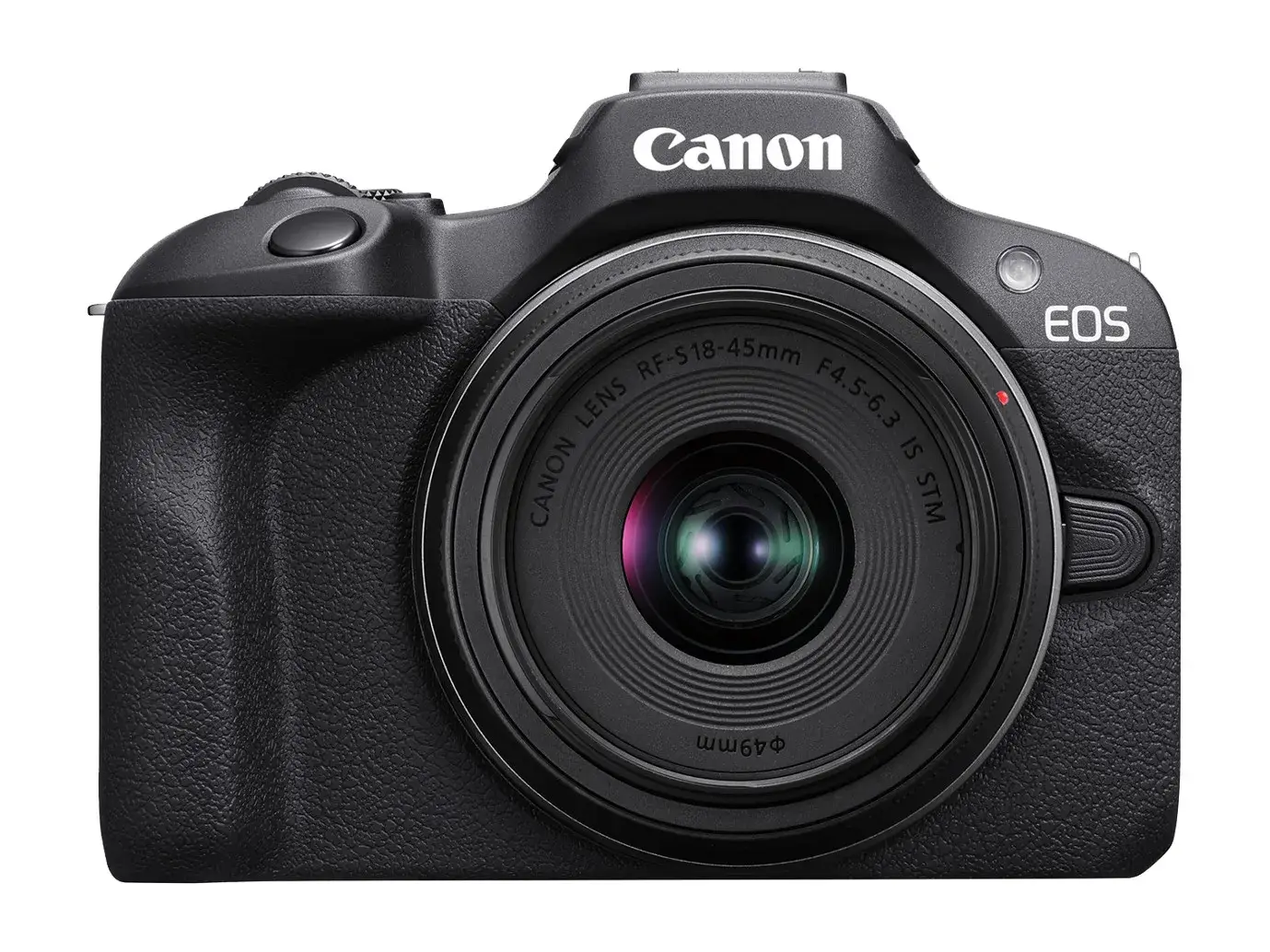
24.1MP APS-C CMOS / DIGIC 8
₹47,990 – ₹53,990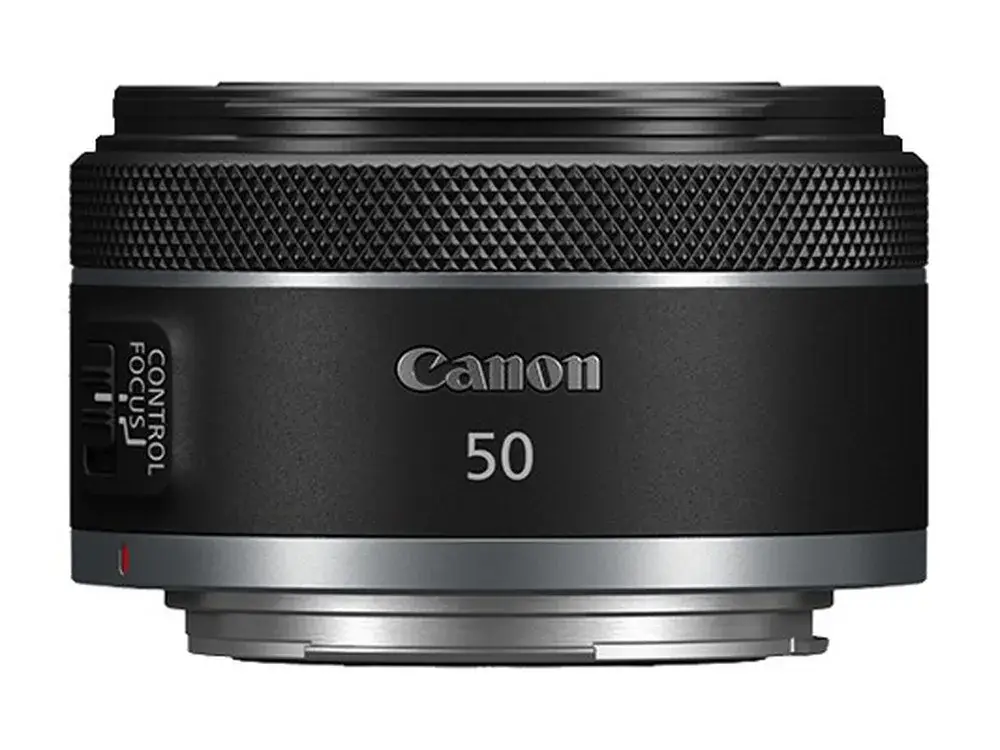
Canon RF (full-frame, works on APS-C) / 50 mm (80 mm equiv. on APS-C)
₹17,990 – ₹21,995