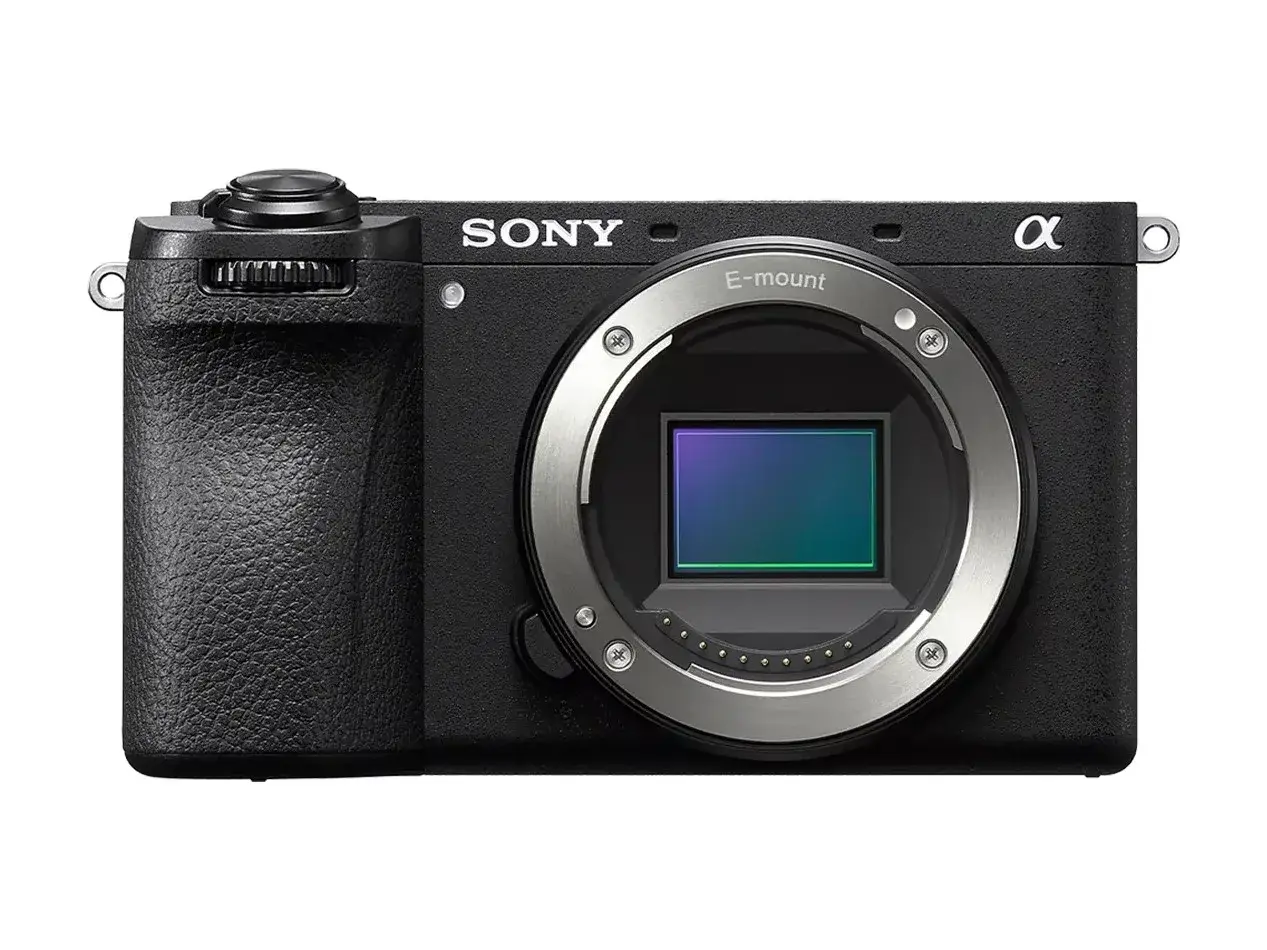
Sony Alpha a6700
26MP APS-C Exmor R BSI / AI subject recognition (people, animals, birds, insects, vehicles)
₹1,25,990 – ₹1,35,990
Short answer: you need full-frame if you regularly shoot in low light (weddings, events, concerts, astro) or want the creamiest background blur. For travel, vlogging, wildlife on a budget and learning, APS-C is lighter and cheaper, and with a bright lens the difference is smaller than people expect.
| APS-C | Full-frame | |
|---|---|---|
| Sensor size | ~23.5 × 15.6 mm | 36 × 24 mm (~2.3x area) |
| Low light | Good | About one stop cleaner |
| Background blur (same framing) | Less | More |
| “Reach” for wildlife | 1.5–1.6x crop helps | Needs longer lenses |
| Body + lens size | Smaller | Larger |
| Lens prices | Lower | Higher |
Sony a6700 vs Sony a7 IV. Same Sony menus and lenses. The a6700 is smaller, has 4K 120p and costs about ₹56,000 less; the a7 IV is cleaner in dim halls and gives more background blur at weddings.
Canon R7 vs Canon R8. The R7 (APS-C, 32.5MP, IBIS, dual slots, weather sealing) is the wildlife and sports body: the crop gives extra reach. The R8 (full-frame, 24MP) is the low-light and portrait body, but it lacks IBIS and has a small battery.
A bright APS-C lens like the Sigma 18-50mm f/2.8 or an f/1.4 prime narrows the low-light and blur gap considerably. Read our best lens after the kit lens and best full-frame under ₹2 lakh guides.
No. It's better in low light and for shallow depth of field, but bigger, heavier and more expensive (especially lenses). For travel, vlogging and wildlife, APS-C is often the smarter buy.
Yes, within the same mount (Sony FE on E-mount APS-C, Canon RF on RF-S bodies, Nikon FX on DX). The image is cropped by about 1.5–1.6x.
Roughly one stop, so ISO 6400 on full-frame looks similar to ISO 3200 on APS-C, assuming similar sensor generations.
26MP APS-C Exmor R BSI / AI subject recognition (people, animals, birds, insects, vehicles)
₹1,25,990 – ₹1,35,990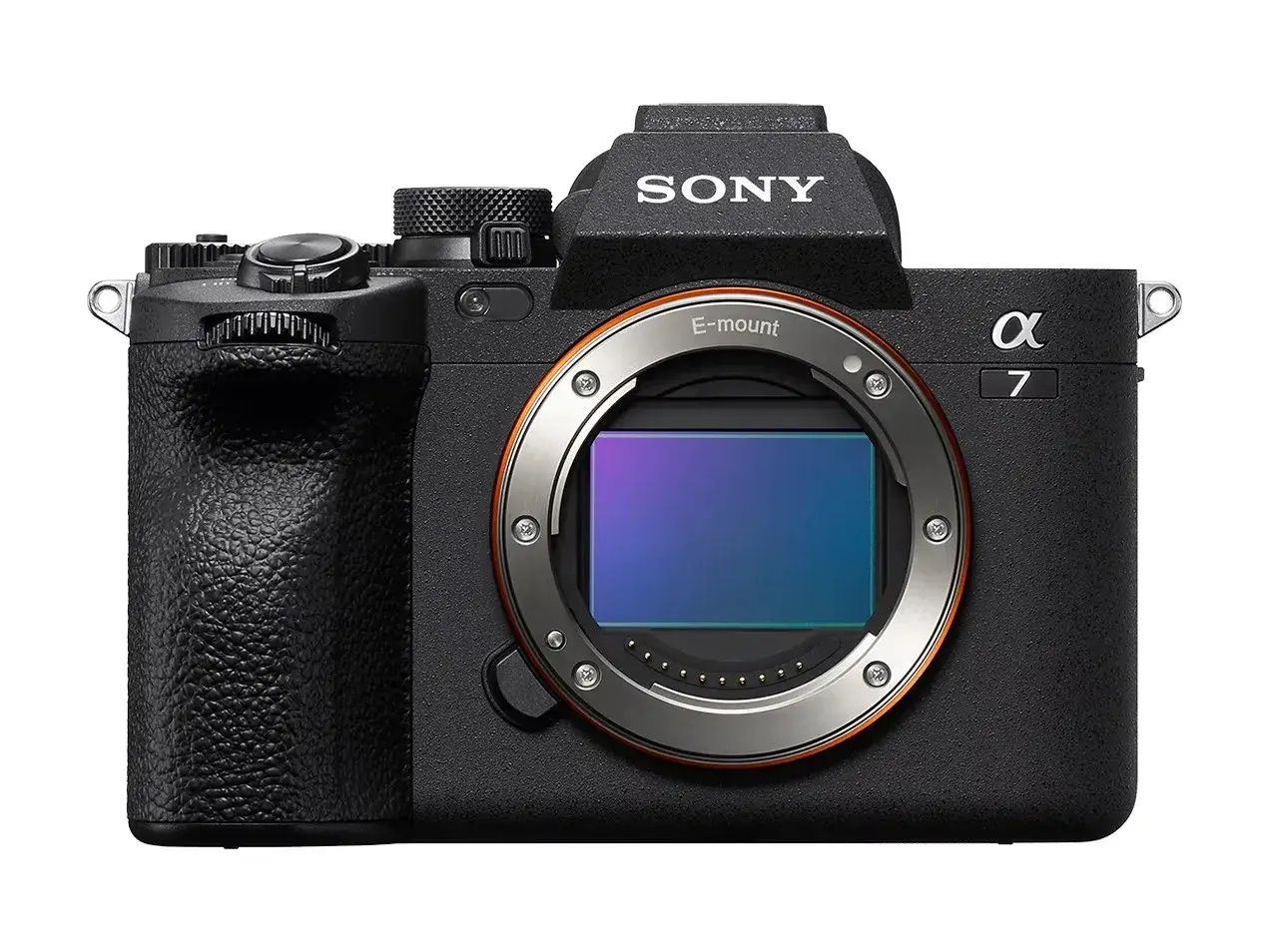
33MP full-frame Exmor R BSI / BIONZ XR
₹1,81,990 – ₹1,99,990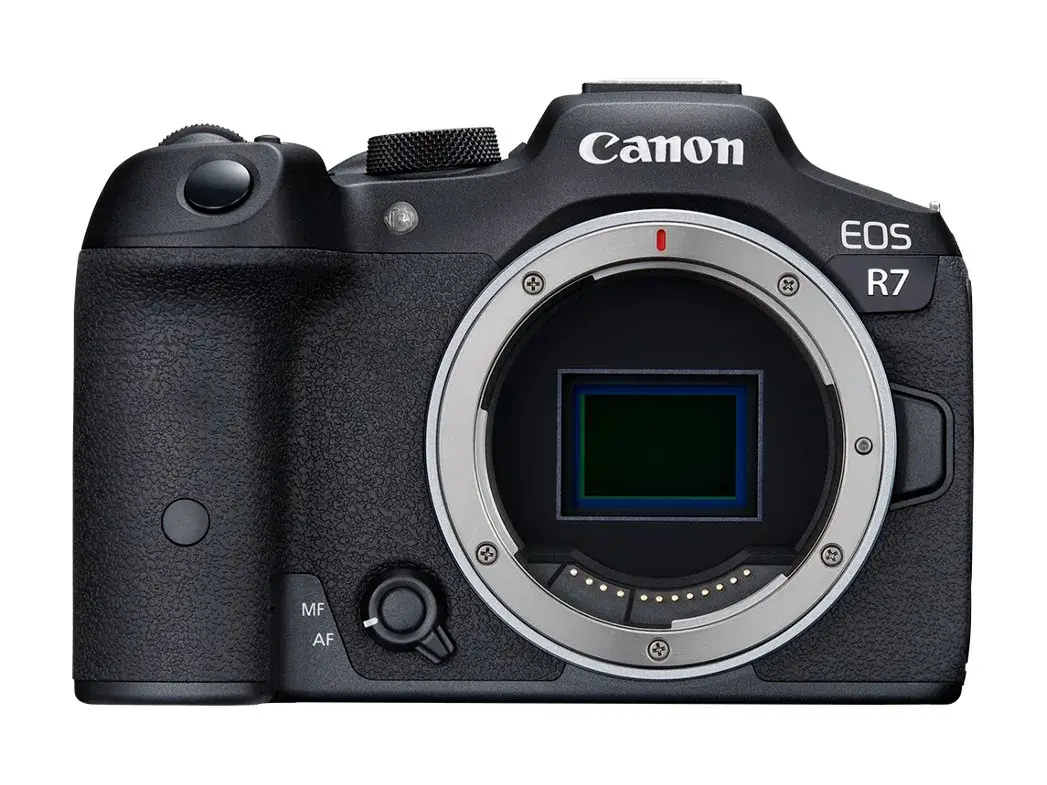
32.5MP APS-C CMOS / 15 fps mechanical / 30 fps electronic
₹1,29,990 – ₹1,45,990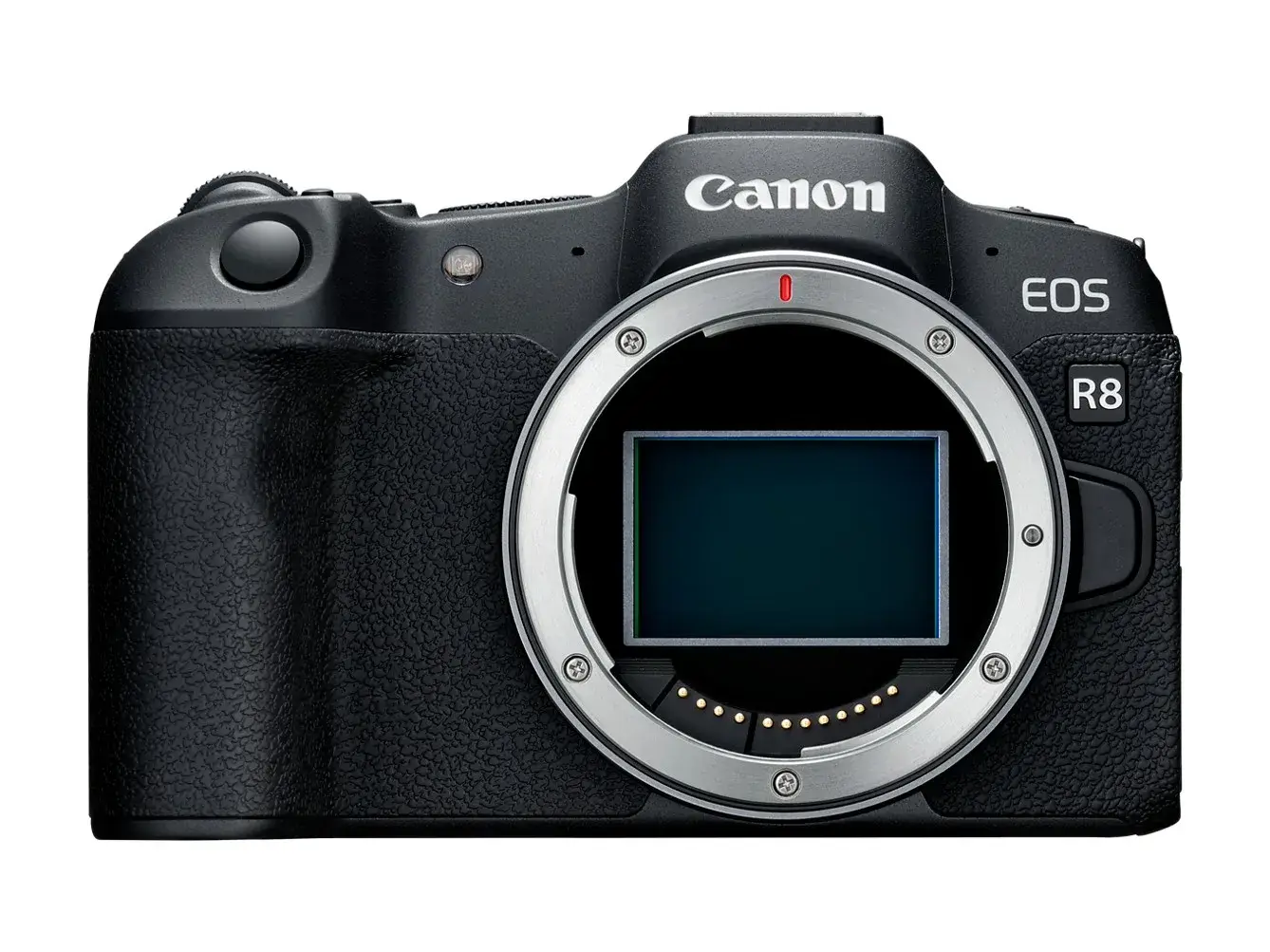
24.2MP full-frame CMOS / DIGIC X
₹1,24,990 – ₹1,39,990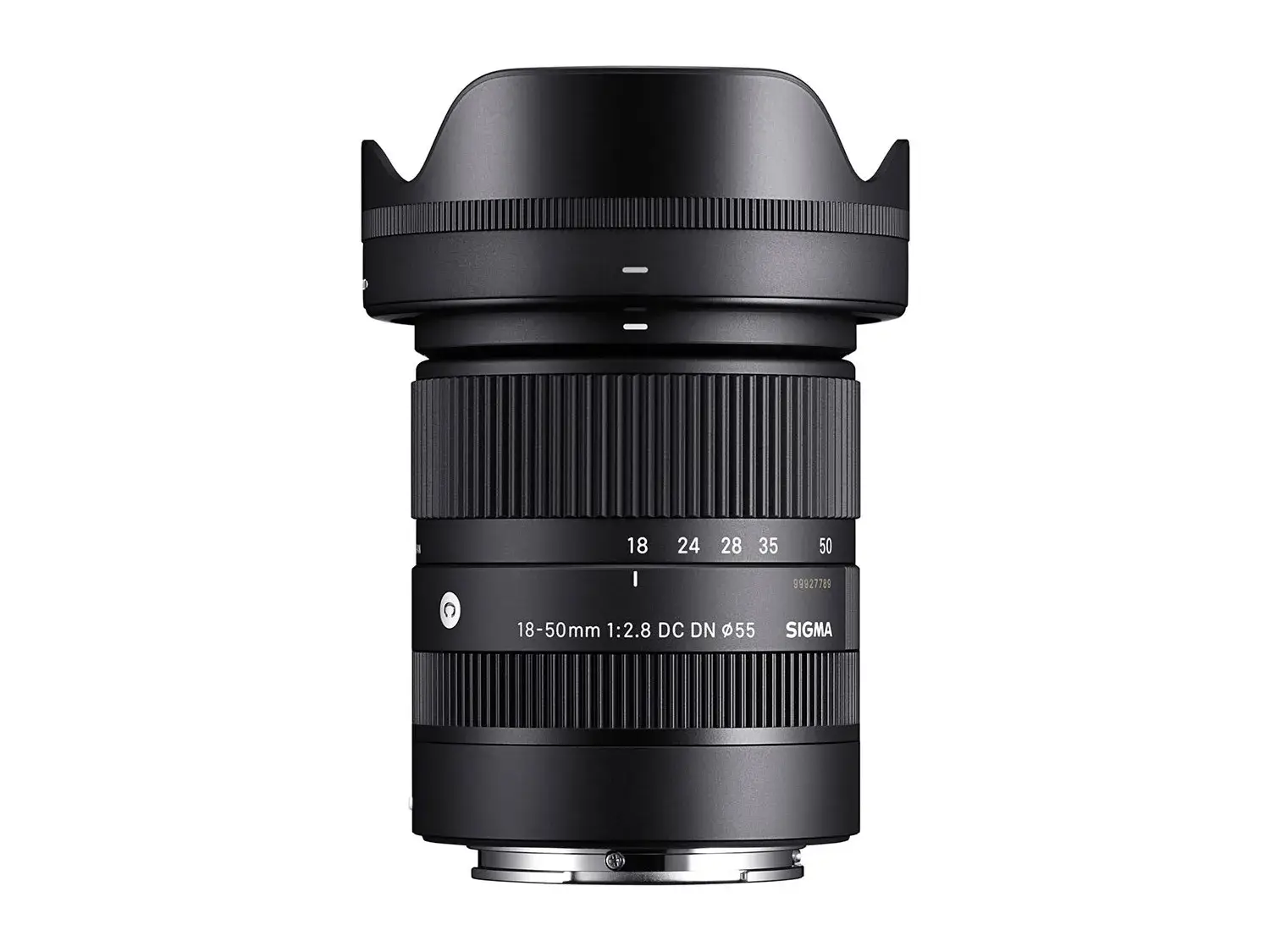
Sony E / Fujifilm X / Canon RF (APS-C) / 18-50 mm (27-75 mm equiv.)
₹48,000 – ₹52,500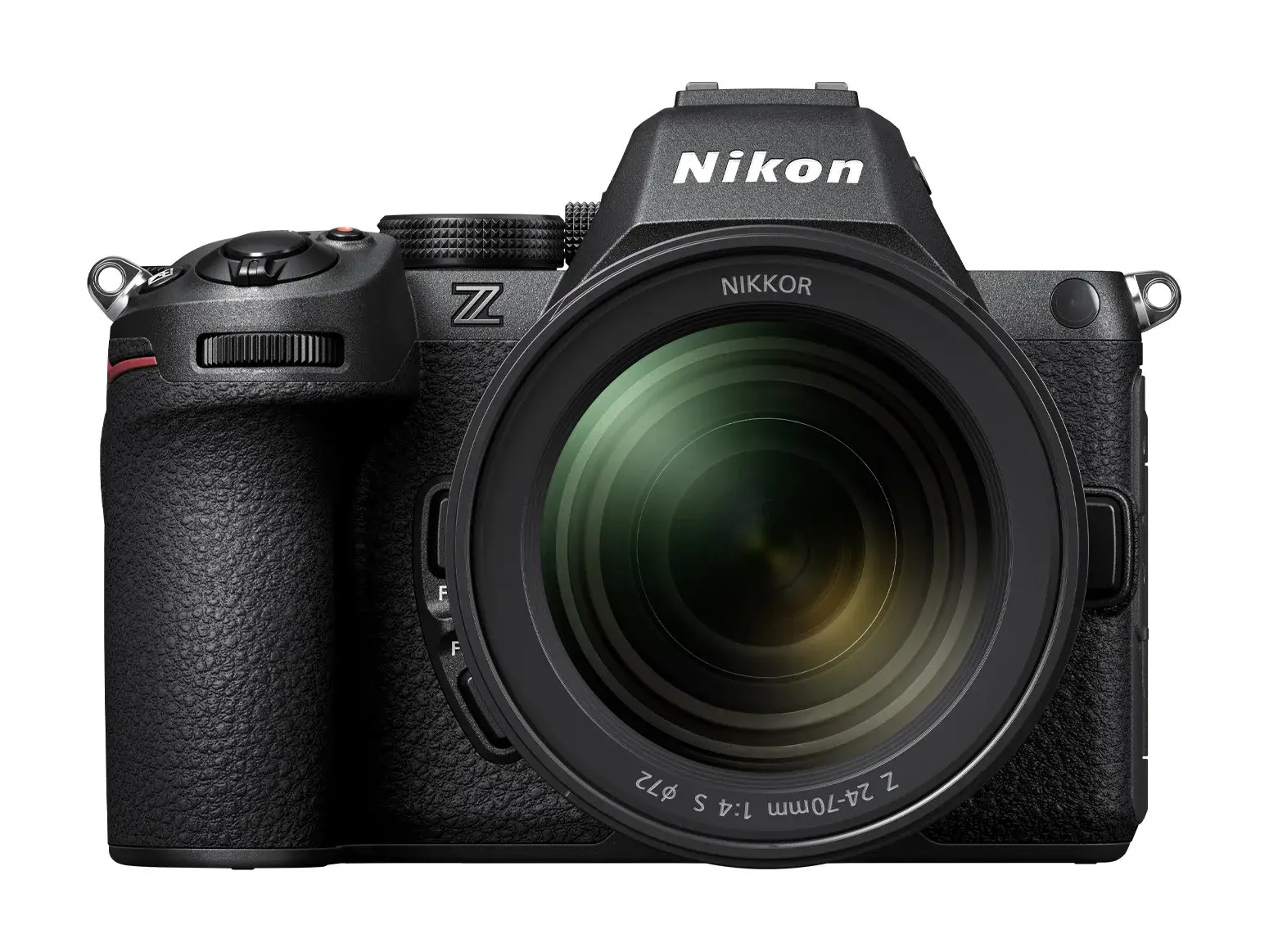 New
New 24.5MP full-frame BSI CMOS / EXPEED 7
₹1,38,990 – ₹1,55,990