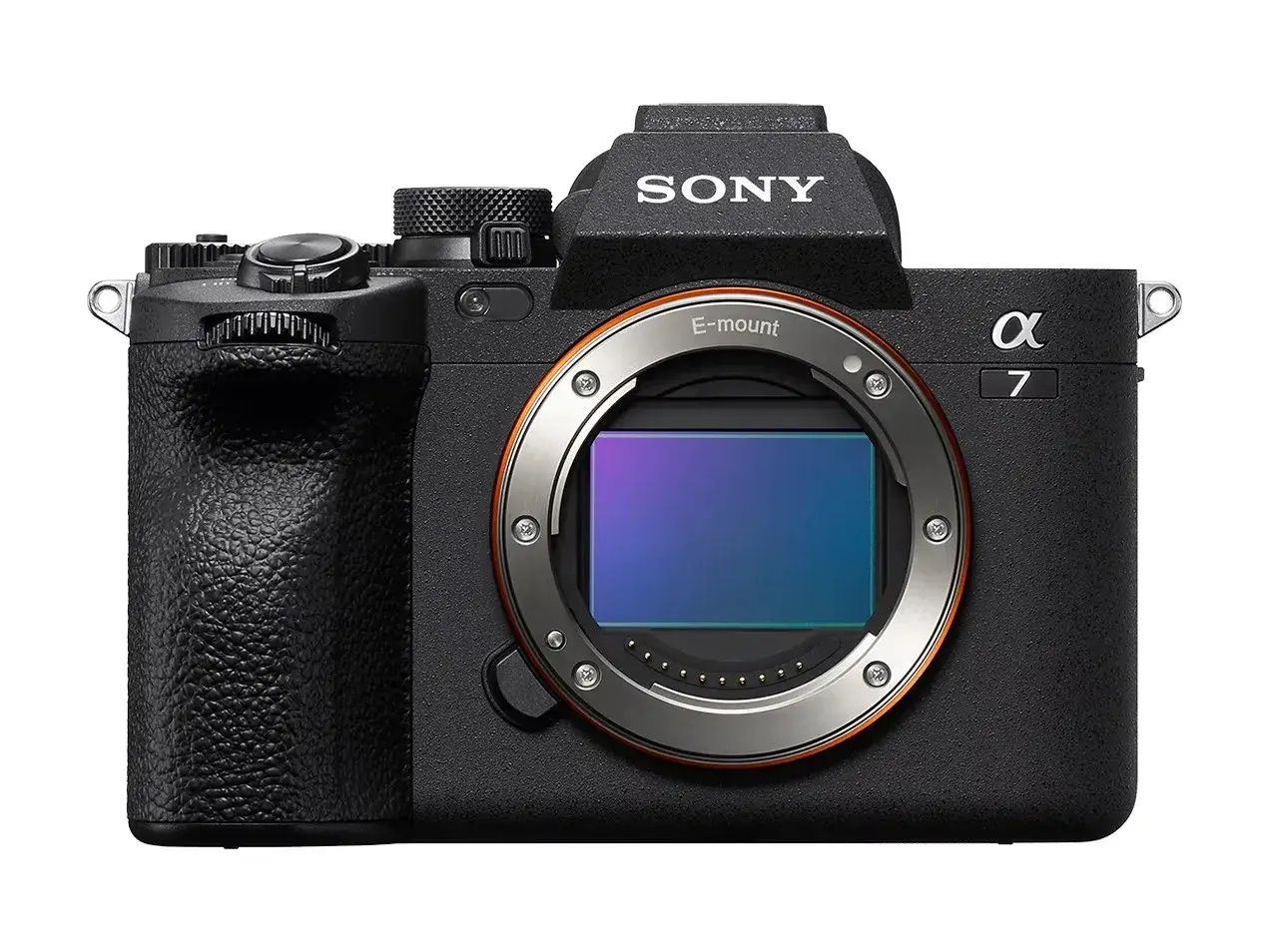
Sony Alpha a7 IV
33MP full-frame Exmor R BSI / BIONZ XR
₹1,81,990 – ₹1,99,990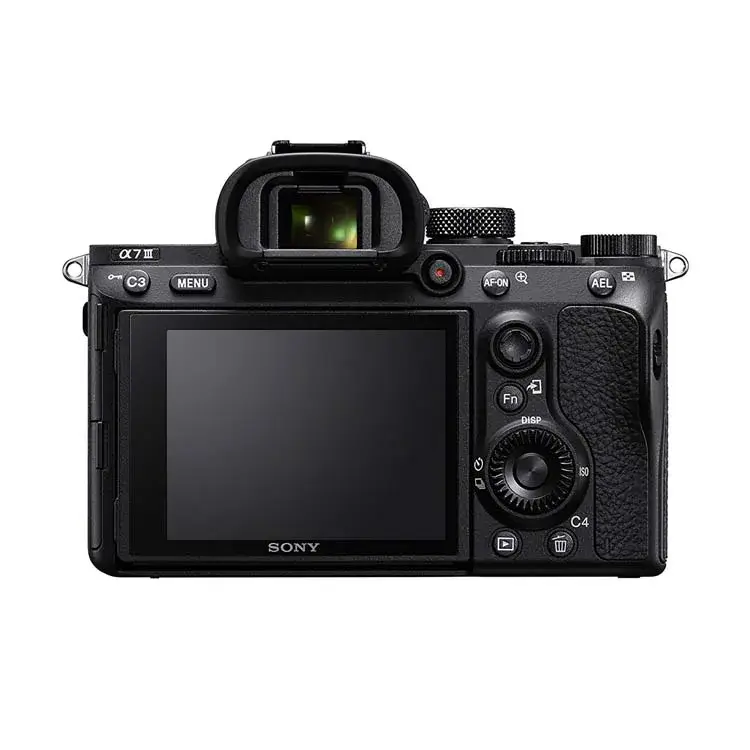
Short answer: the Sony a7 IV is the best all-round full-frame camera under ₹2 lakh. If you want to spend less, the Nikon Z5 II is the best value for photography and the Canon EOS R8 is the lightest full-frame body for hybrid creators.
| Camera | Approx. price (Oct 2026) | Sensor | IBIS | Card slots | Best for |
|---|---|---|---|---|---|
| Sony a7 IV | ₹1.82 lakh body | 33MP | Yes | CFexpress A + SD | Weddings, hybrid |
| Sony a7 III + 28-70 | from ₹1.29 lakh | 24MP | Yes | 2 × SD | Budget full-frame kit |
| Canon EOS R8 | ₹1.25 lakh body | 24MP | No | 1 × SD | Light hybrid, video |
| Nikon Z5 II | ₹1.39 lakh body | 24MP | Yes | 2 × SD | Photography value |
| Nikon Zf | ₹1.26 lakh body | 24MP | Yes (8 stops) | SD + microSD | Travel, street, enjoyment |
| Sony a7C II | ₹1.96 lakh body | 33MP | Yes | 1 × SD | Compact travel |
The a7 IV is what many working photographers in Gujarat use. Its 33MP sensor leaves room to crop, the autofocus is dependable, and dual card slots give peace of mind on paid shoots. For video it records 10-bit 4:2:2 with S-Log3. Sony’s E-mount also gives access to the most affordable fast lenses, such as the Tamron 28-75mm f/2.8 G2.
Nikon’s 2025 update put flagship-class subject detection, a bright viewfinder and in-body stabilisation into the entry full-frame body. For portrait, wedding and travel photographers it’s outstanding value. Video is good (4K 60p) but the a7 IV is still stronger for serious video work.
The R8 uses the same 24MP sensor as Canon’s pricier R6 Mark II, records uncropped 4K 60p, and weighs about 460 g. The trade-offs are a small LP-E17 battery and no in-body stabilisation. Pair it with a stabilised lens and spare batteries and it’s a lovely travel and creator camera.
The Zf looks like a film camera, with dials for shutter speed, ISO and exposure compensation, but inside it has Z6-class performance and the best stabilisation in this group. Its grip is shallow for heavy lenses, so it suits primes and small zooms.
The a7 III remains a capable 24MP body with great battery life and dual SD slots. If your budget is closer to ₹1.3 lakh including a lens, the a7 III kit is the cheapest way into a professional full-frame system. For more on what changes between generations, ask us in store.
A ₹1.8 lakh body with a slow kit lens often produces worse low-light results than a ₹1.3 lakh body with an f/1.8 prime. Read our best portrait lens guide and APS-C vs full-frame before deciding how to split your budget.
If you shoot in low light (weddings, events, concerts) or want the shallowest depth of field, yes. For travel and daylight work, a good APS-C camera with a bright lens is often enough and lighter.
The a7 IV has a 33MP sensor, better autofocus, 10-bit video and a fully articulating screen. The a7 III is still a capable camera and costs less, especially in a kit, making it a good budget entry to full-frame.
The Sony a7 IV for its 10-bit 4:2:2 recording and lens choice, or the Canon EOS R8 for uncropped 4K 60p in a very light body (with a spare battery).
33MP full-frame Exmor R BSI / BIONZ XR
₹1,81,990 – ₹1,99,990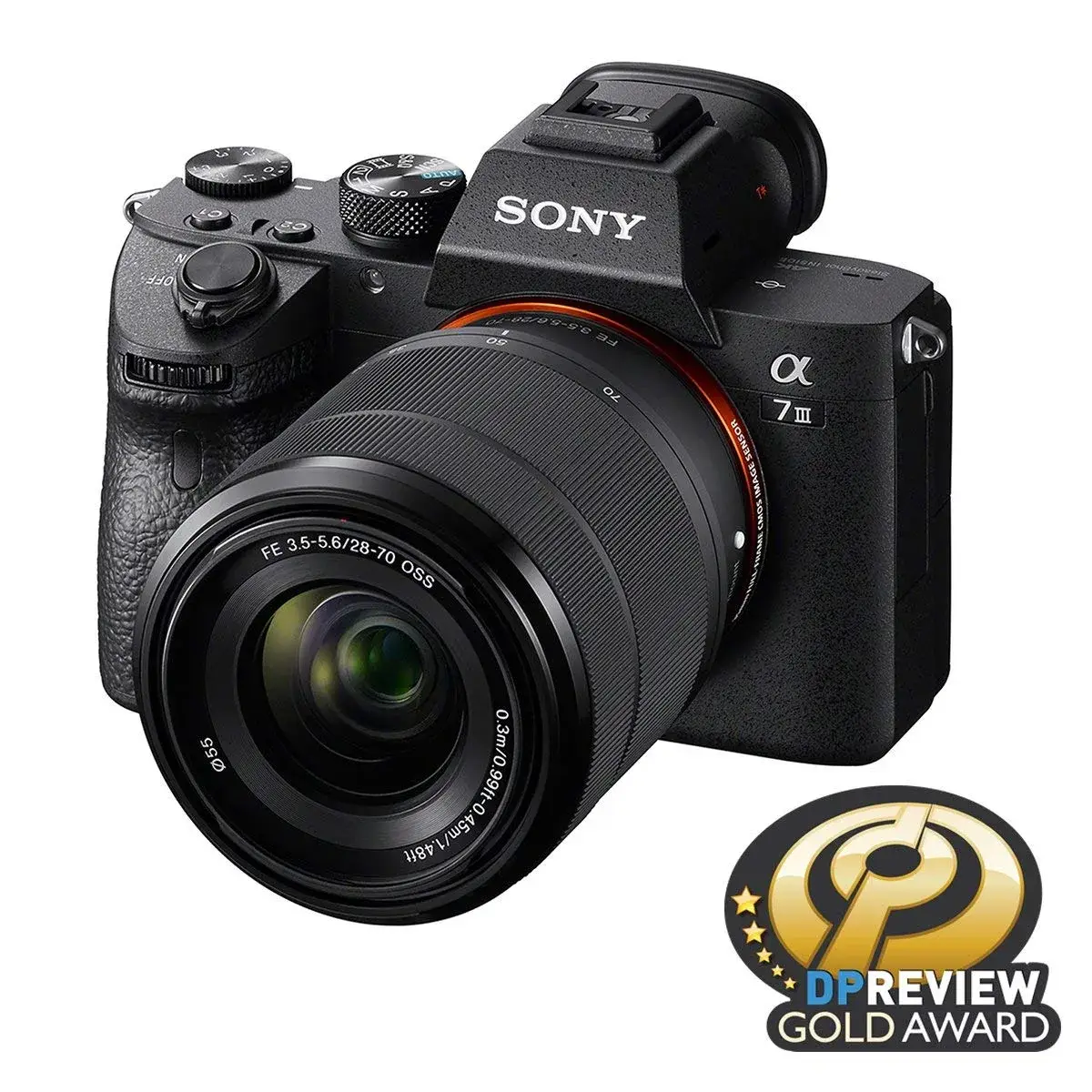
24.2MP full-frame Exmor R BSI CMOS / BIONZ X
₹1,29,000 – ₹1,82,490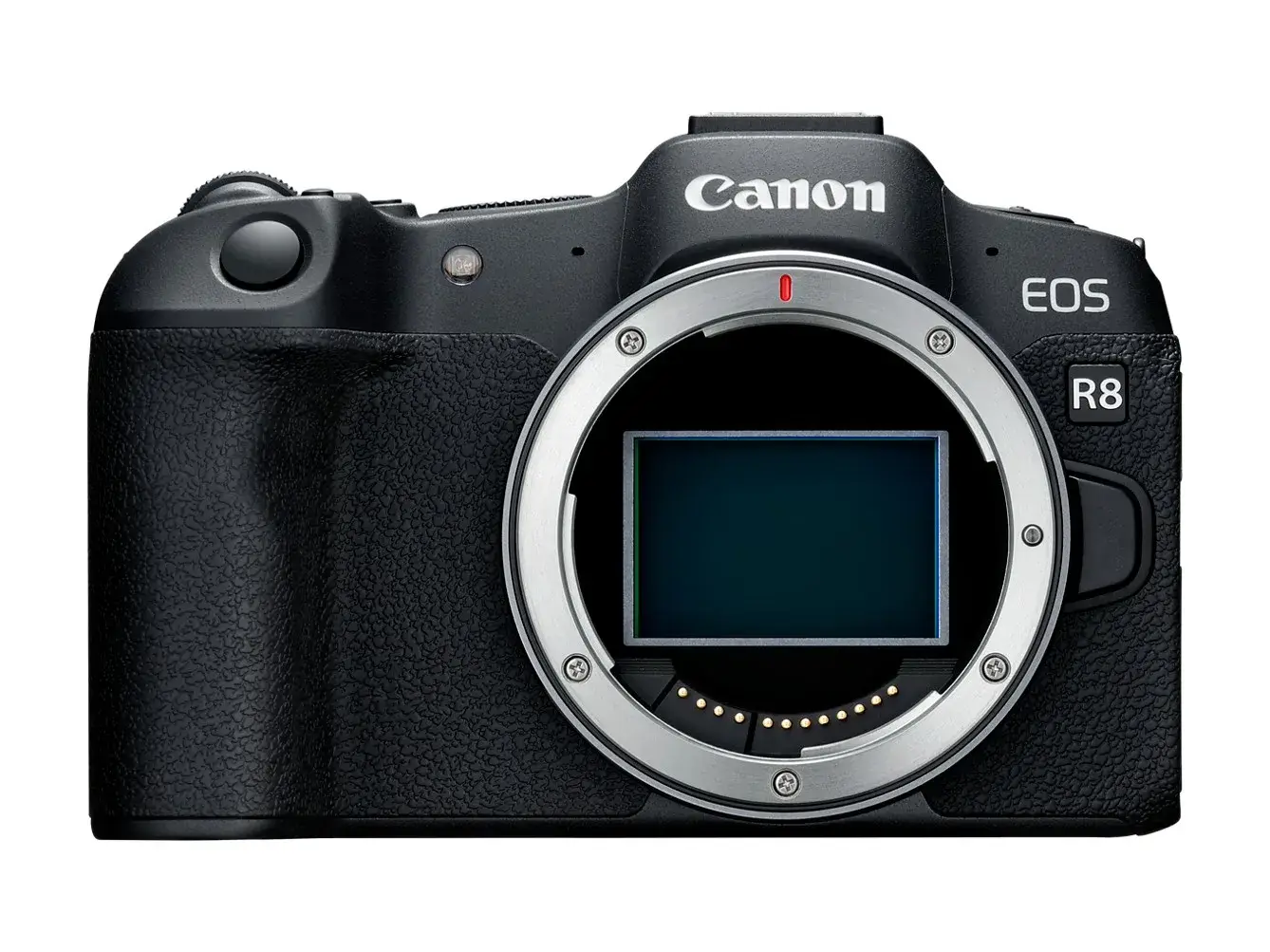
24.2MP full-frame CMOS / DIGIC X
₹1,24,990 – ₹1,39,990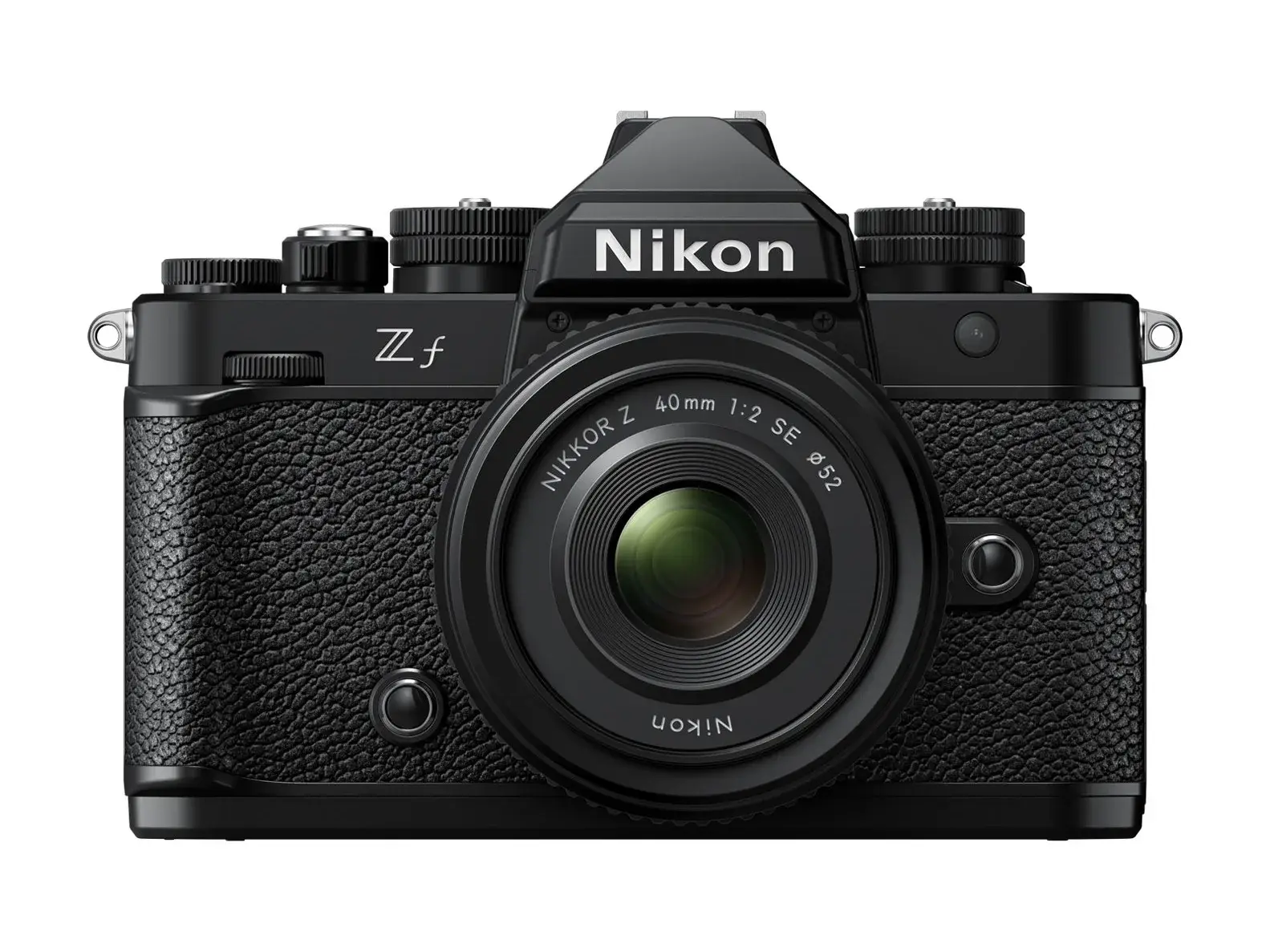
24.5MP full-frame BSI CMOS / EXPEED 7
₹1,25,990 – ₹1,41,990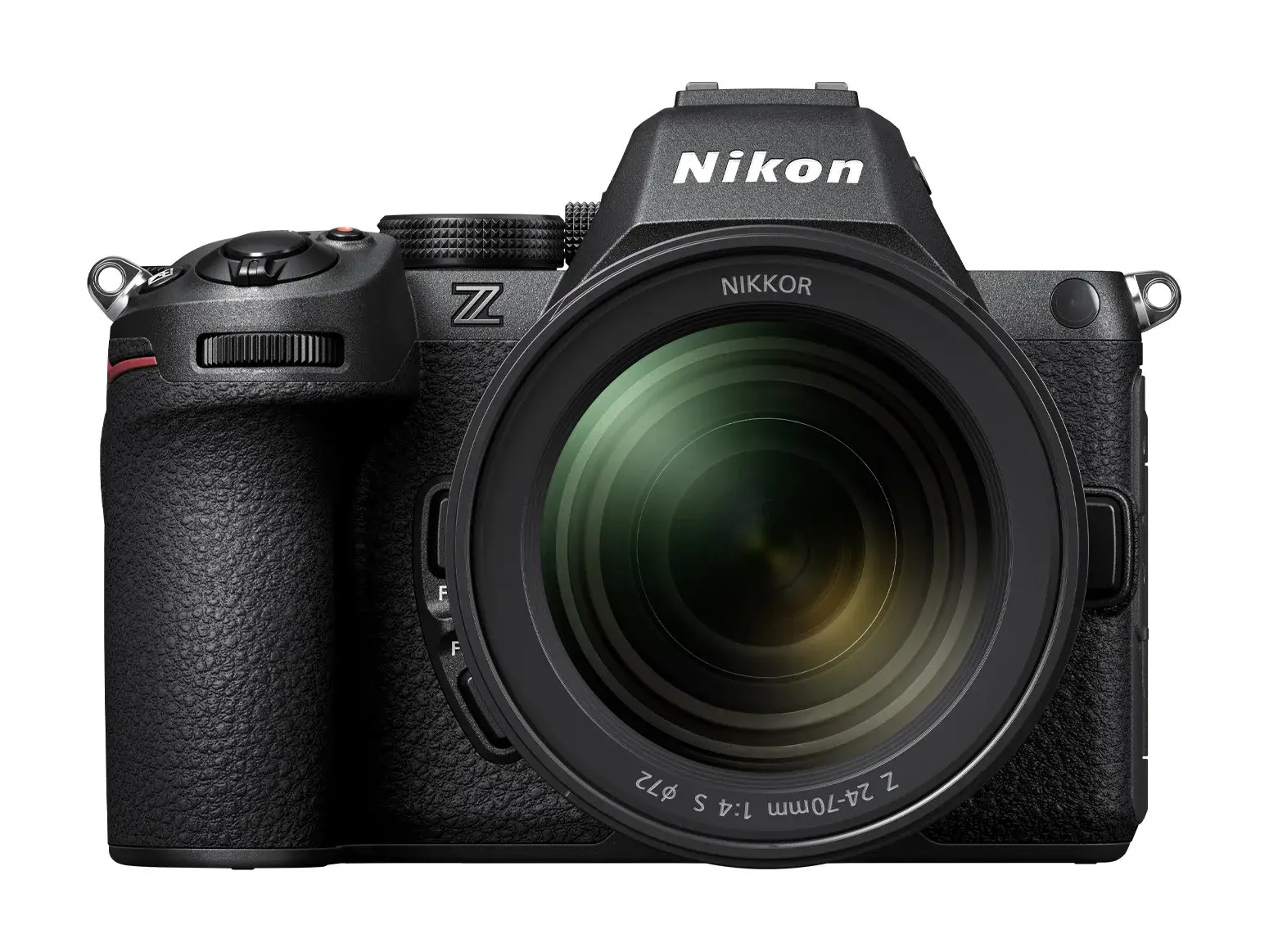 New
New 24.5MP full-frame BSI CMOS / EXPEED 7
₹1,38,990 – ₹1,55,990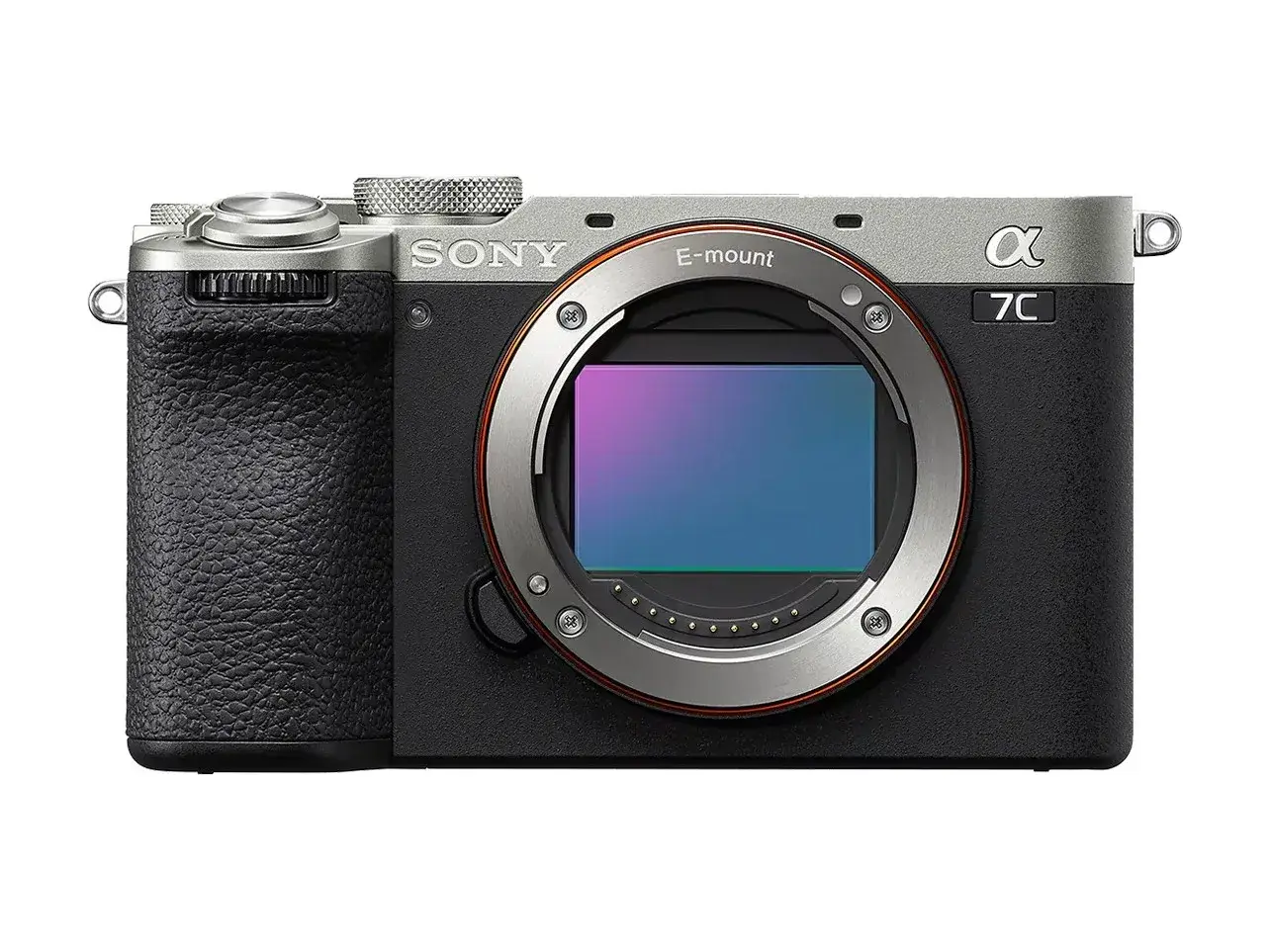
33MP full-frame Exmor R BSI / AI subject recognition
₹1,95,990 – ₹2,22,990