 New
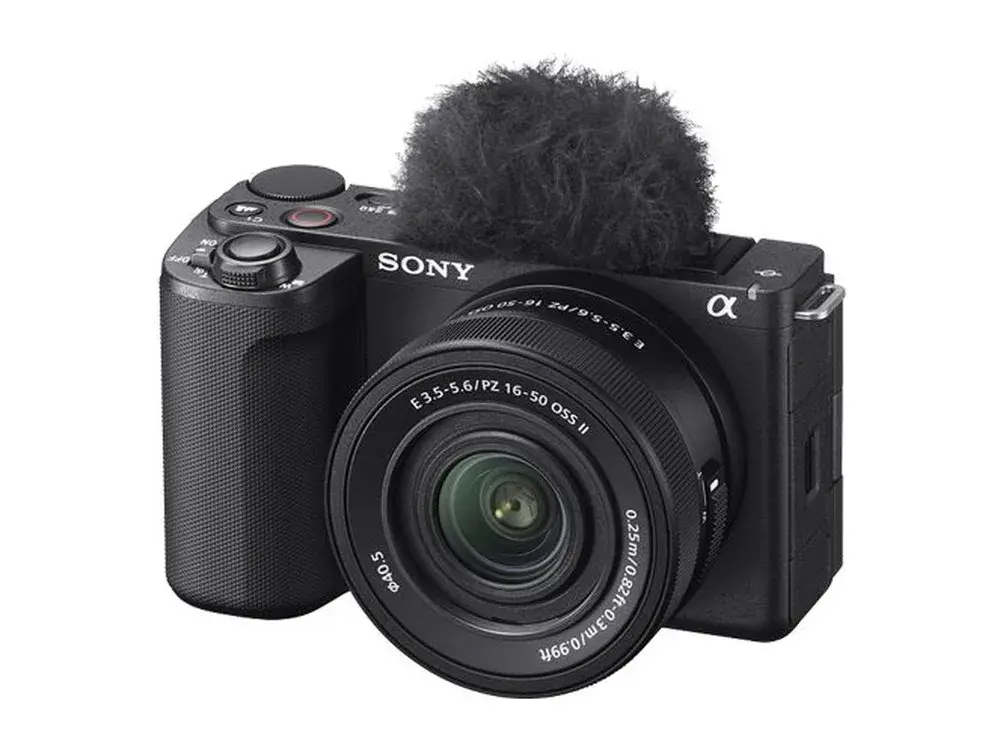
Sony Alpha ZV-E10 II
26MP APS-C Exmor R CMOS / 4K 60p 10-bit 4:2:2, S-Cinetone, S-Log3
₹87,990 – ₹96,990
Short answer: for a YouTube channel where video comes first, buy the Sony ZV-E10 II. If you want one camera to learn photography and make videos, and your budget is tighter, buy the Canon EOS R50. Both are excellent. The deciding factors are battery life, colour depth and lens choice.
| Canon EOS R50 | Sony ZV-E10 II | |
|---|---|---|
| Approx. price (Oct 2026) | ₹67,000 with 18-45mm | ₹88,000 body, ₹97,000 with 16-50mm |
| Sensor | 24.2MP APS-C | 26MP APS-C |
| Best 4K | 4K 30p uncropped, 8-bit | 4K 60p, 10-bit 4:2:2 |
| Battery | LP-E17 (small) | NP-FZ100 (large) |
| Viewfinder | Yes | No |
| Mic / headphone jacks | Mic only | Mic + headphones |
| Lens ecosystem | Canon RF (growing third-party) | Sony E (huge third-party choice) |
Both cameras produce sharp, detailed 4K. The Sony’s 10-bit recording holds far more colour information, so footage survives colour grading and S-Log3 without banding in skies and skin tones. If you plan to grade, or want a “cinematic” look, that’s a real advantage. If you upload straight from the camera, the R50’s colour looks great out of the box.
Both track faces and eyes reliably. The Sony’s product-showcase mode, which shifts focus from your face to an object you hold up, is handy for review channels. Canon’s R50 has a similar mode, and its Dual Pixel AF is very smooth for talking-head videos.
This is where the two differ most. The R50’s LP-E17 battery lasts roughly an hour of 4K recording, while the ZV-E10 II’s NP-FZ100 lasts well over two hours. R50 owners should buy a spare LP-E17, or run the camera on USB-C power at a desk.
Sony E-mount has the widest choice of affordable lenses. The Sony E 11mm F1.8 is the classic vlogging lens, and the Sigma 18-50mm f/2.8 is the best all-round upgrade. Canon’s RF-S range is growing, and Sigma now makes RF versions of its APS-C primes too.
The EOS R50 V is Canon’s video-first version of the R50. It drops the viewfinder and adds a tally lamp, a tripod socket on the side for vertical reels, a dedicated record button and a power-zoom 14-30mm kit lens. If you never use a viewfinder, it’s a more convenient vlogging camera than the regular R50 at a similar price.
The camera is only part of the setup. In order of impact:
Our YouTube starter kit under ₹1 lakh puts it all together.
Talking-head, reviews and long-form YouTube: Sony ZV-E10 II. A first camera for photos and occasional reels on a budget: Canon EOS R50. Vlogging and reels only, Canon user: EOS R50 V. Bring your phone to the store and we’ll record a short test clip on each camera so you can compare at home.
For dedicated YouTube channels, Sony's ZV-E10 II is the better tool because of 10-bit 4K 60p, a much longer-lasting battery and more affordable lenses. Canon's R50 is the better choice if you also want to learn photography and prefer a viewfinder.
For typical YouTube segments of 10–20 minutes the R50 is fine. In long continuous 4K recordings in a hot room it can warm up. Shooting in short takes and keeping it out of direct sun helps.
The Sony E 11mm F1.8. It's wide enough to hold at arm's length, bright enough for indoor shots and light enough for a gimbal.
New 26MP APS-C Exmor R CMOS / 4K 60p 10-bit 4:2:2, S-Cinetone, S-Log3
₹87,990 – ₹96,990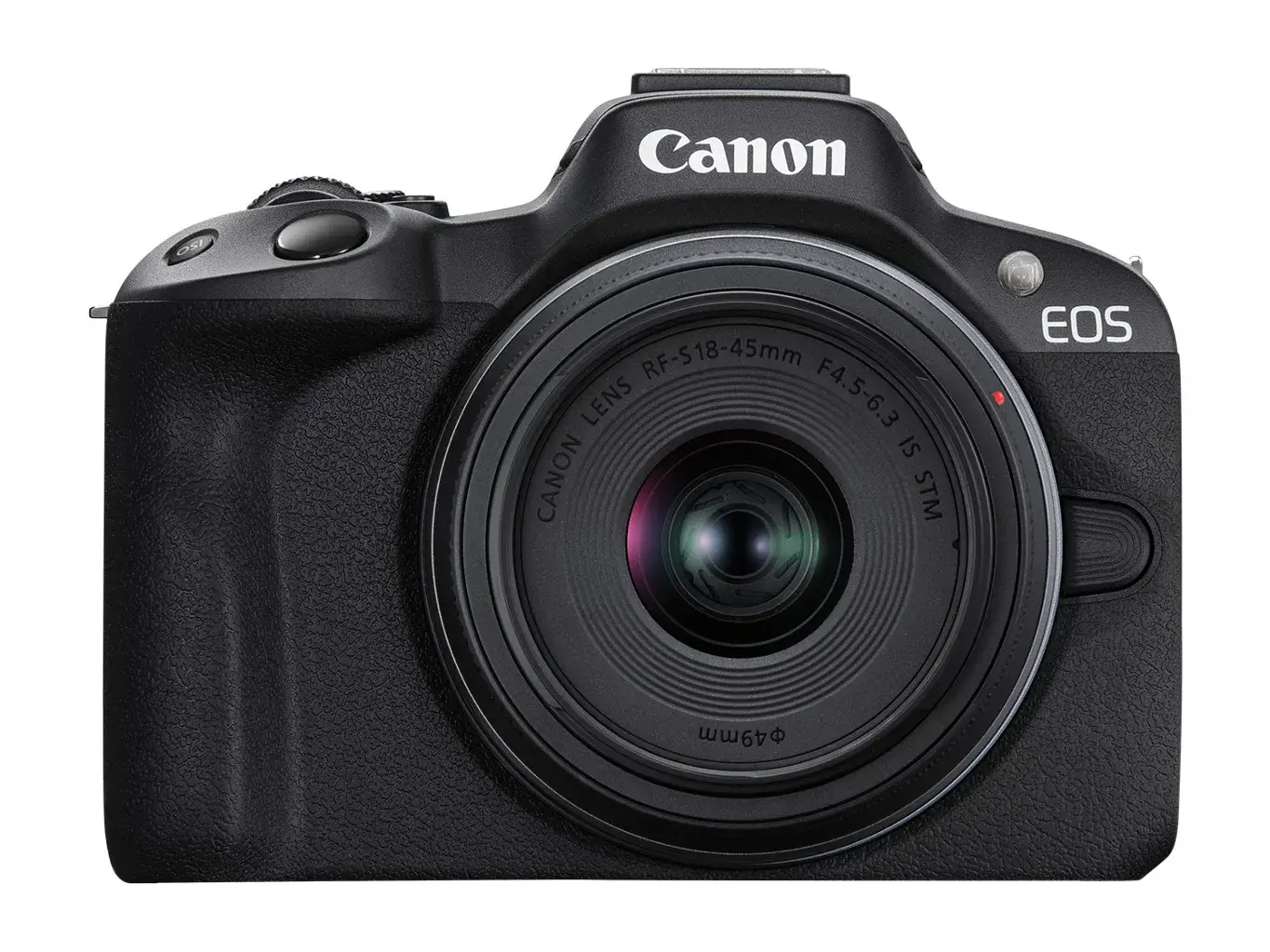 Hot
24.2MP APS-C CMOS / DIGIC X
₹66,990 – ₹75,990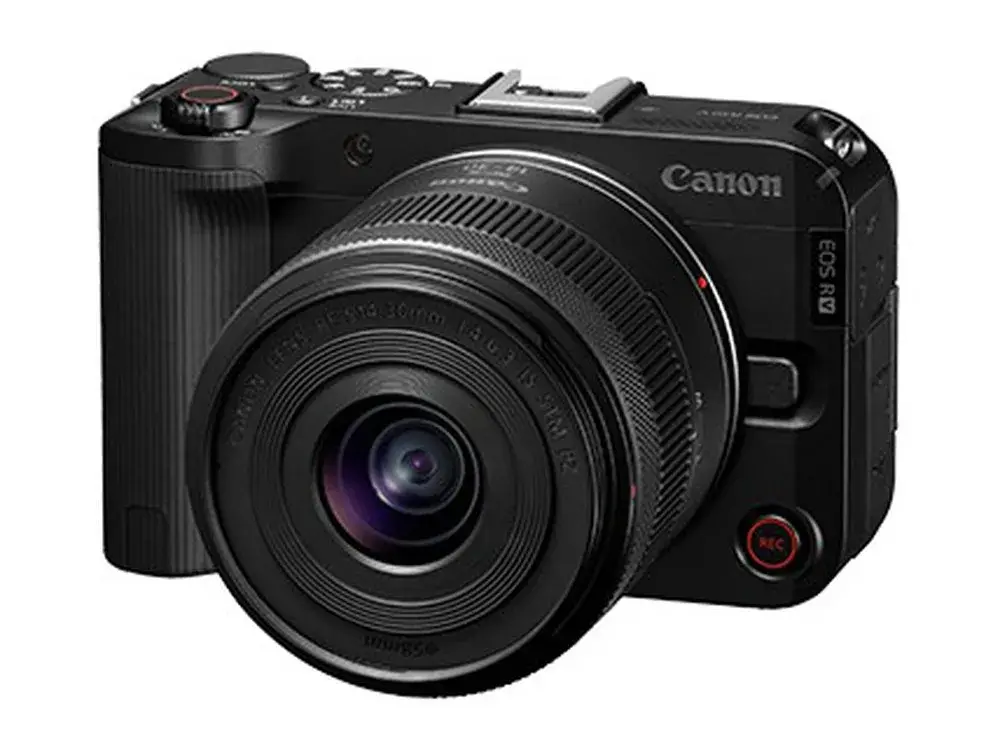 New
24.2MP APS-C CMOS / 4K 30p uncropped, 4K 60p (crop), Canon Log 3
₹66,990 – ₹75,990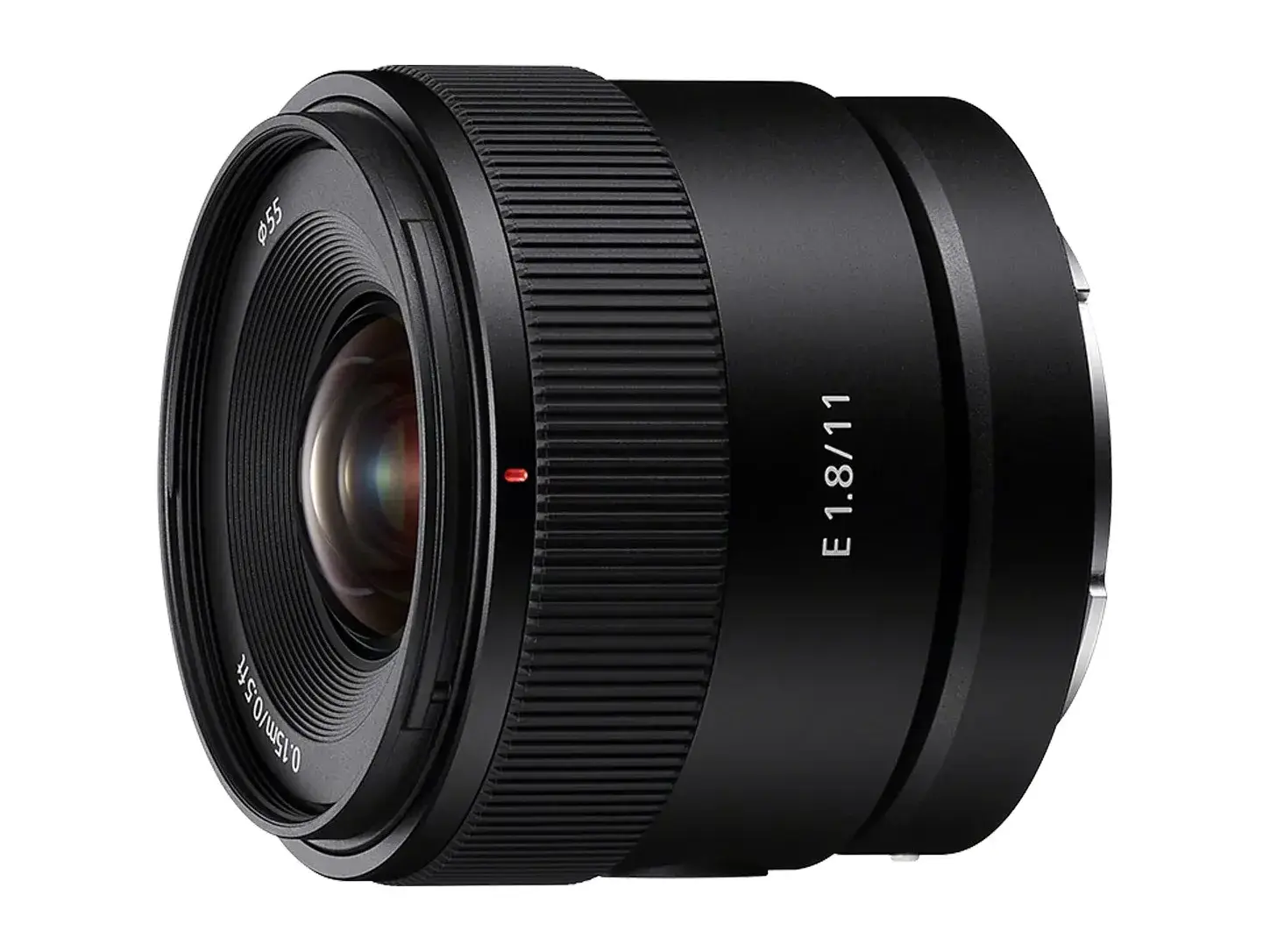
Sony E (APS-C) / 11 mm (16.5 mm equiv.)
₹39,990 – ₹47,990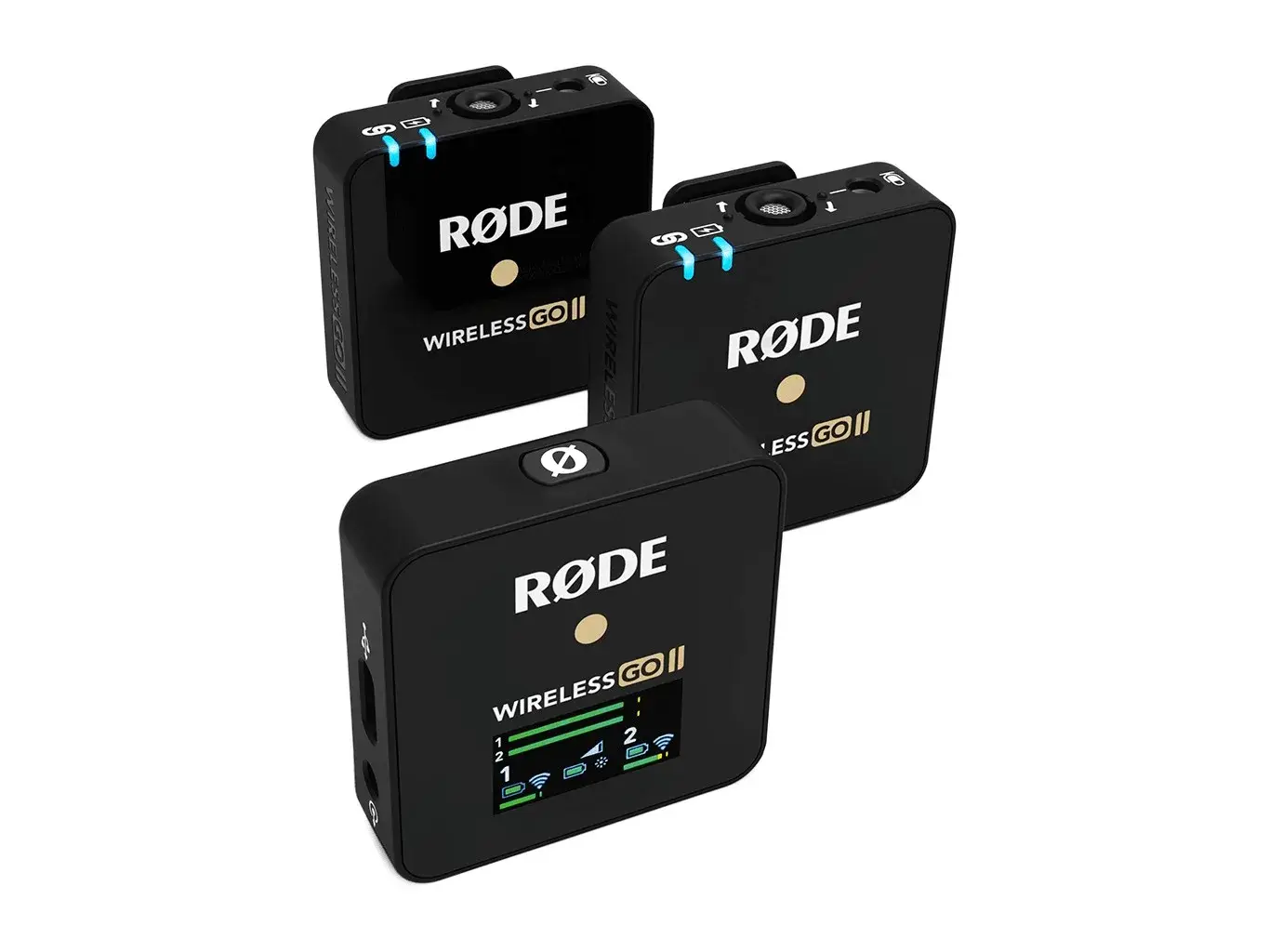 Hot
2 transmitters + 1 receiver / Up to 200 m (line of sight)
₹22,990 – ₹29,900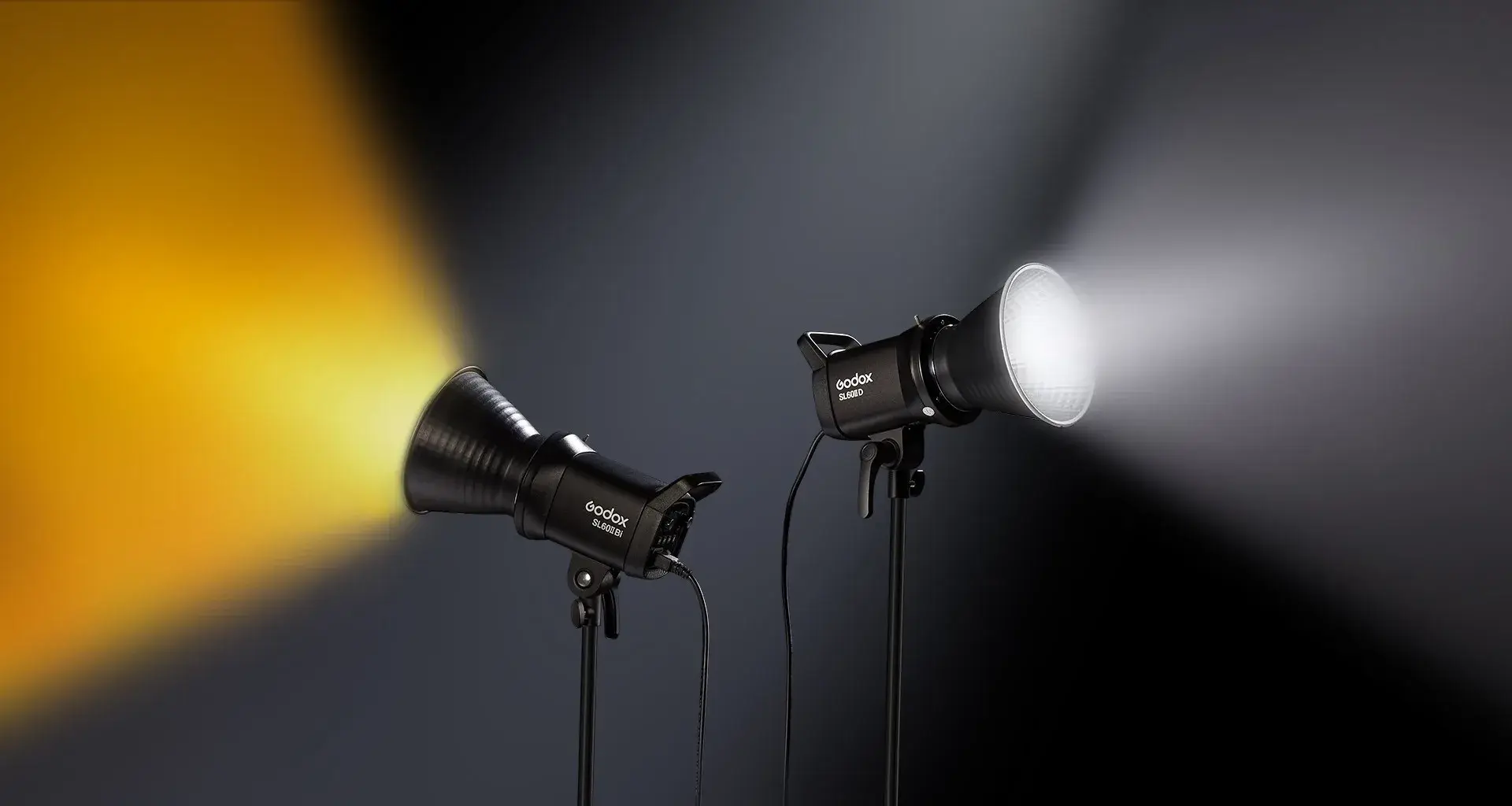
60 W / 5600K daylight
₹11,990 – ₹14,990