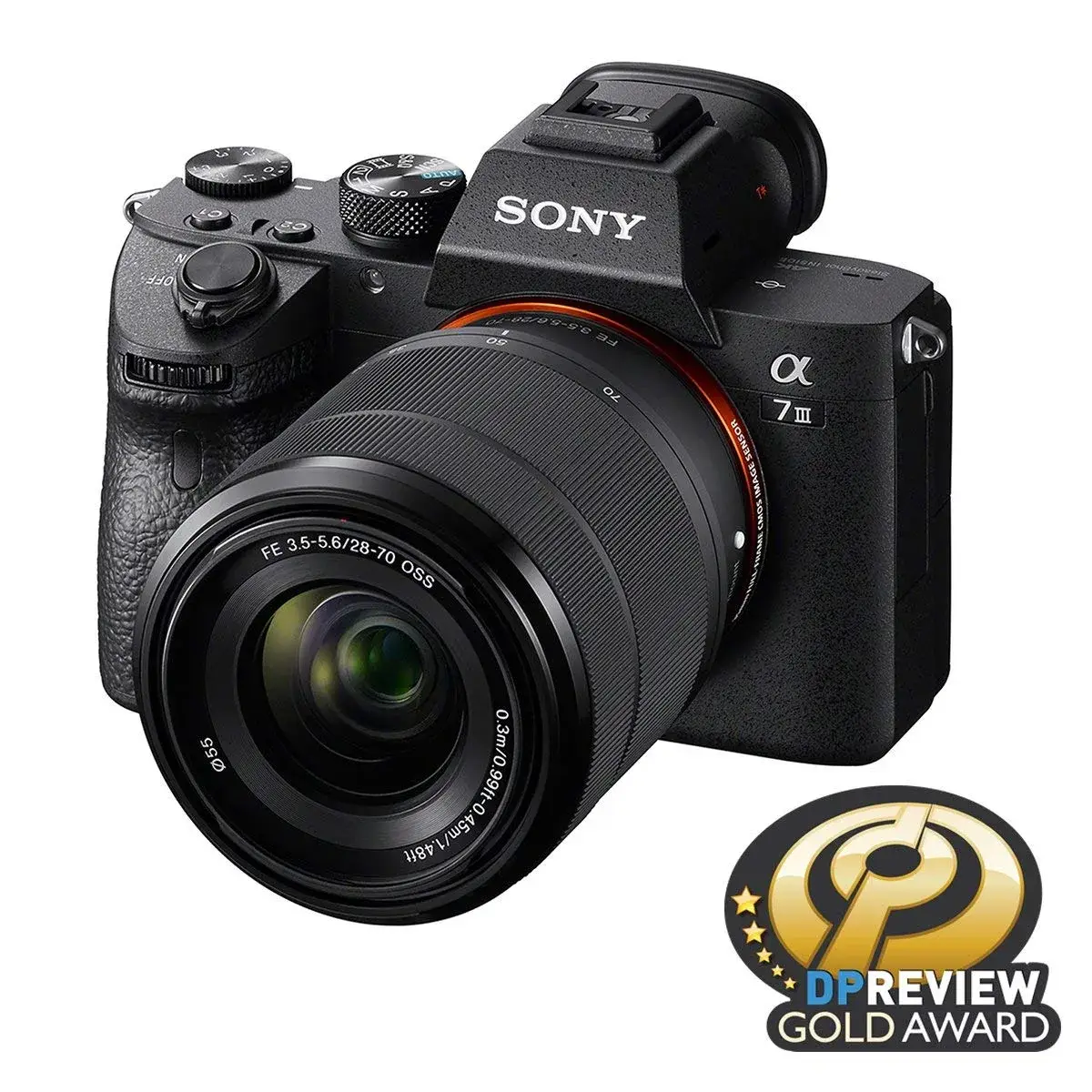
Sony α7 III + FE 28-70mm Kit (ILCE-7M3K)
24.2MP full-frame Exmor R BSI CMOS / BIONZ X
₹1,29,000 – ₹1,82,490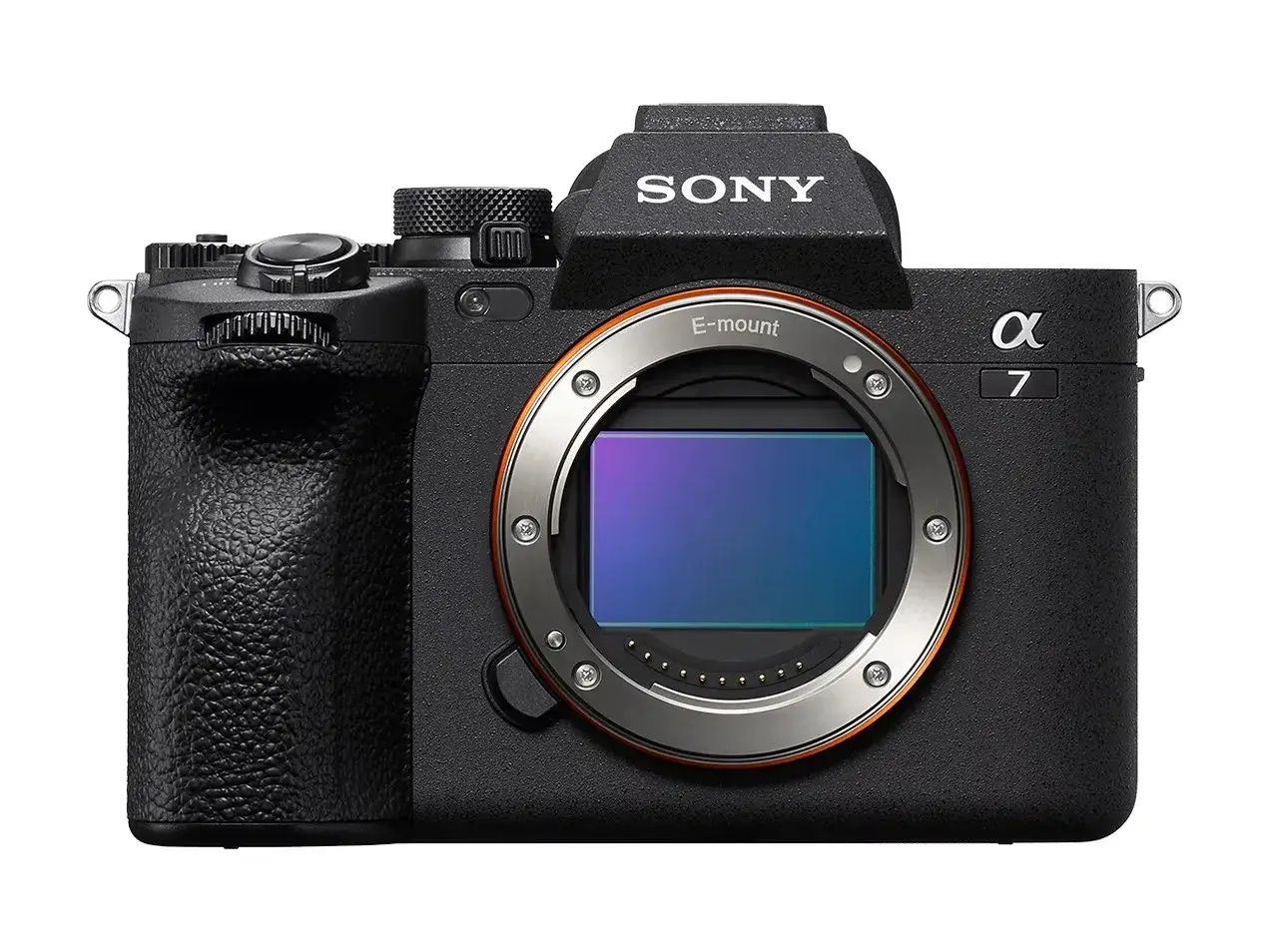
Short answer: the Sony a7 III is still worth buying in 2026 if you mainly take photos and want the cheapest dual-slot full-frame kit. Choose the a7 IV if you shoot serious video, want more resolution, or are buying a camera to keep for many years.
| Sony a7 III | Sony a7 IV | |
|---|---|---|
| Approx. price (Oct 2026) | from ₹1.29 lakh with 28-70mm | ₹1.82 lakh body |
| Sensor | 24MP | 33MP |
| Autofocus | Eye AF, tracking | Real-time tracking, better subject recognition |
| Video | 4K 30p 8-bit | 4K 60p (crop), 10-bit 4:2:2, S-Cinetone |
| Screen | Tilting | Fully articulating |
| Card slots | 2 × SD | CFexpress A / SD + SD |
| Battery | NP-FZ100 | NP-FZ100 |
Carry a spare NP-FZ100 and fast cards. Read best full-frame under ₹2 lakh and best wedding camera under ₹1.5 lakh.
Yes for photography and 8-bit 4K video. It focuses well, handles low light and has dual card slots. Its menus, screen and video colour depth are older than the a7 IV's.
33MP sensor, improved tracking autofocus, 10-bit 4:2:2 video with S-Cinetone, a flip-out screen, better menus and a CFexpress Type A / SD combo slot.
If you mainly take photos, yes: an a7 III with a Tamron 28-75mm f/2.8 G2 beats an a7 IV with a slow kit lens in low light.
24.2MP full-frame Exmor R BSI CMOS / BIONZ X
₹1,29,000 – ₹1,82,490 33MP full-frame Exmor R BSI / BIONZ XR
₹1,81,990 – ₹1,99,990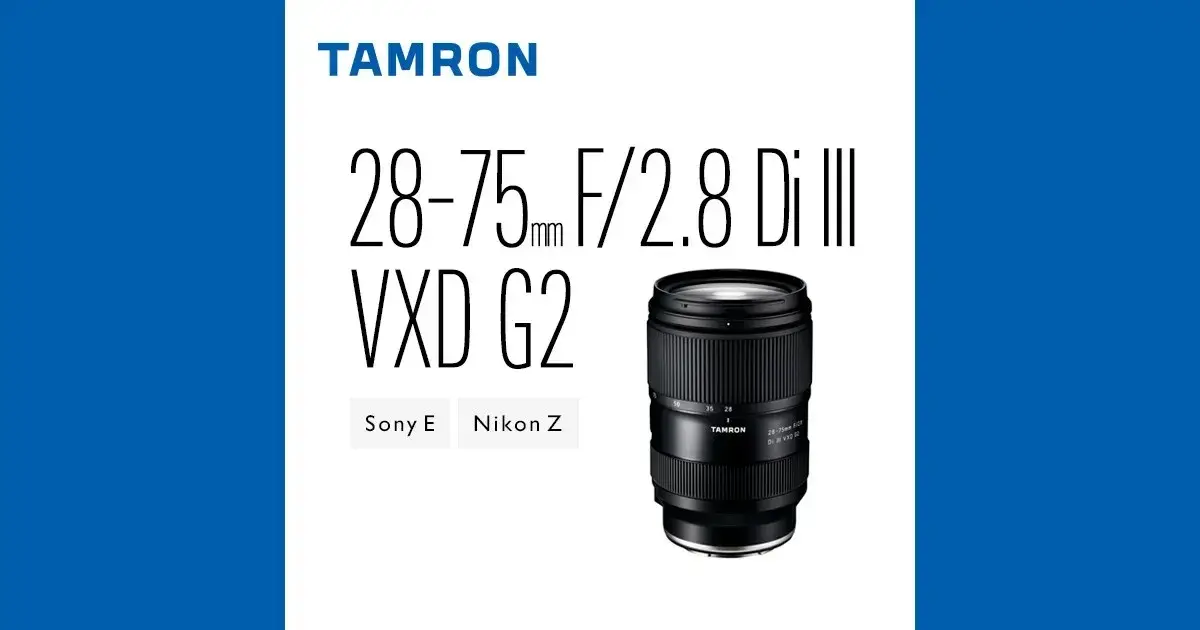
Sony E / Nikon Z (full-frame) / 28-75 mm
₹78,990 – ₹80,990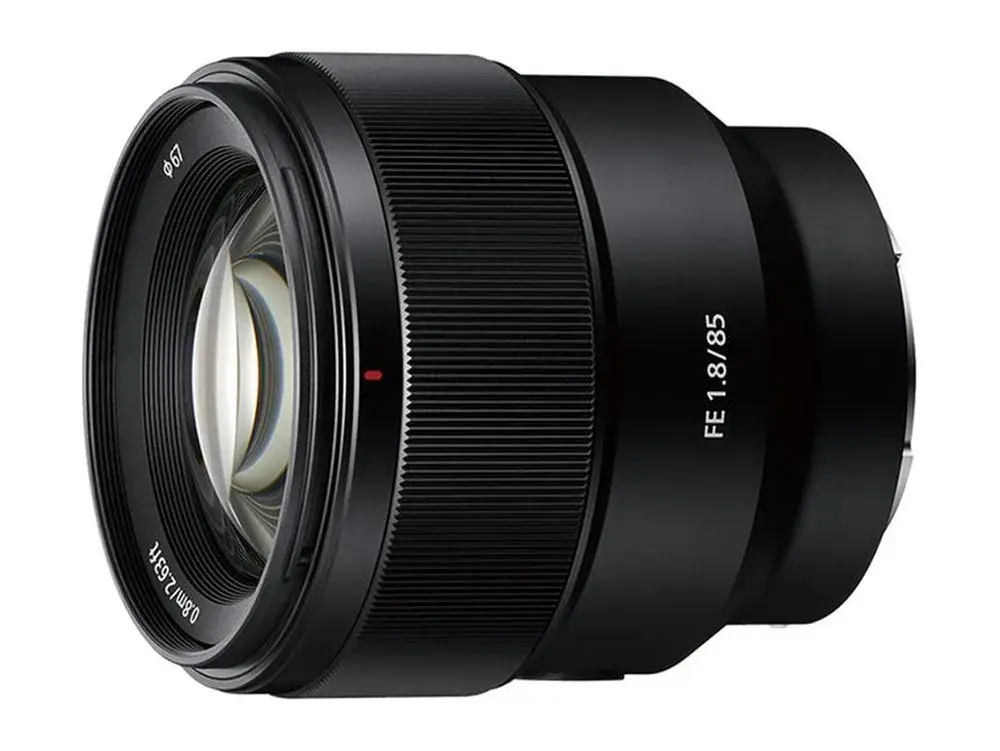
Sony E (full-frame) / 85 mm
₹49,990 – ₹59,990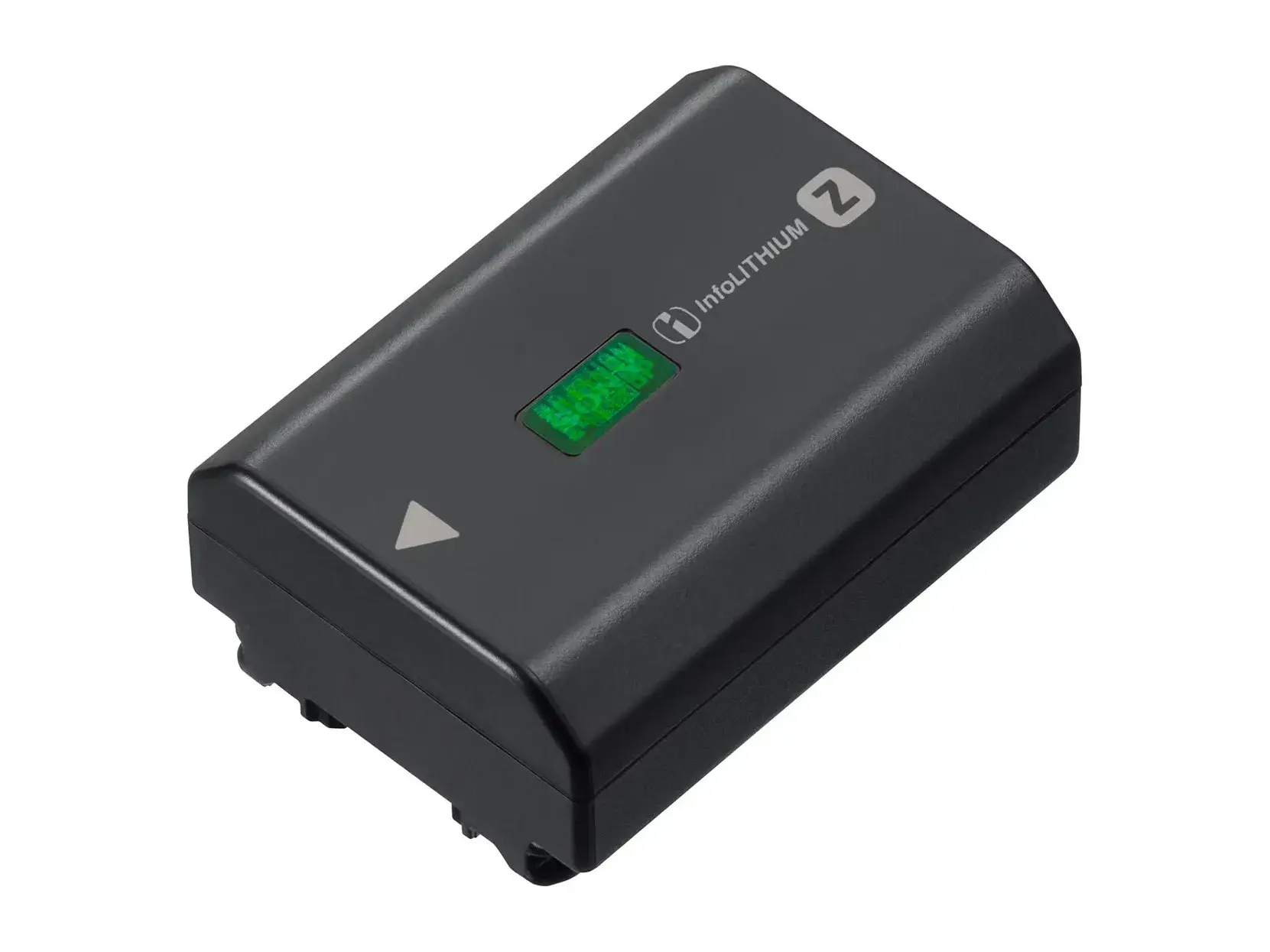
2280 mAh, 7.2 V / a7 III/IV, a7C/a7C II, a6600/a6700, ZV-E10 II, FX30, FX3, a1, a9 II
₹7,490 – ₹8,990